.svg)
.svg)
.svg)
.svg)


.svg)





People can spend years following a creator who has never heard their name. That familiarity is the appeal of parasocial marketing. It's also why a poorly handled brand deal can feel personal.
In its 2026 report, the UK's Advertising Standards Authority examined 531 Instagram and TikTok posts and identified 276 travel ads. Of those ads, 69% made no attempt to disclose that they were advertising. Hidden sponsorship is the clearest warning sign, but staged interactions and scripted vulnerability raise harder questions.
These ten lessons explore how brands can work with audience attachment without pretending familiarity is friendship.
See what holds up.
TL;DR
- Build recognizable creator series while leaving room for different topics and hooks.
- Make audience interactions genuine, assign clear responsibility for replies, and show how audience questions shape the content.
- Disclose paid partnerships and gifted products with a prominent "Ad" label, and write the brief with fixed claims and open delivery.
- Plan a posting rhythm the creator can sustain, and apply stricter rules for anyone under 18.
- Measure audience connection through surveys, track engagement through behavioral signals, and test campaign impact separately.
Our view: a creator's audience is live market research before it is a media channel. The comments show what viewers already feel about the creator, the product, and each other, and a brand that reads them builds on something real.
What Is Parasocial Marketing, and Where Does Manufactured Intimacy Start?
Parasocial marketing builds a brand's presence around a media persona audiences feel they know, usually a creator, founder, or character, so familiarity does part of the persuading.
Heartstop Media on how marketers use parasocial relationships. Source: YouTube
The concept comes from Horton and Wohl's 1956 study of "intimacy at a distance", which described how viewers come to feel they know performers who have never met them. A parasocial relationship is one-sided by definition: the audience knows the persona, and the persona does not know each viewer.
Social media made that feeling ordinary, because a creator now posts, replies, and appears in a viewer's feed every day.
The distinction lies in how that connection is built and presented. Familiar content and genuine interactions can strengthen it, while clear sponsorship disclosures help audiences understand the commercial relationship. Fake personal replies, hidden sponsorships, and scripted vulnerability presented as spontaneous cross the line into manufactured intimacy.
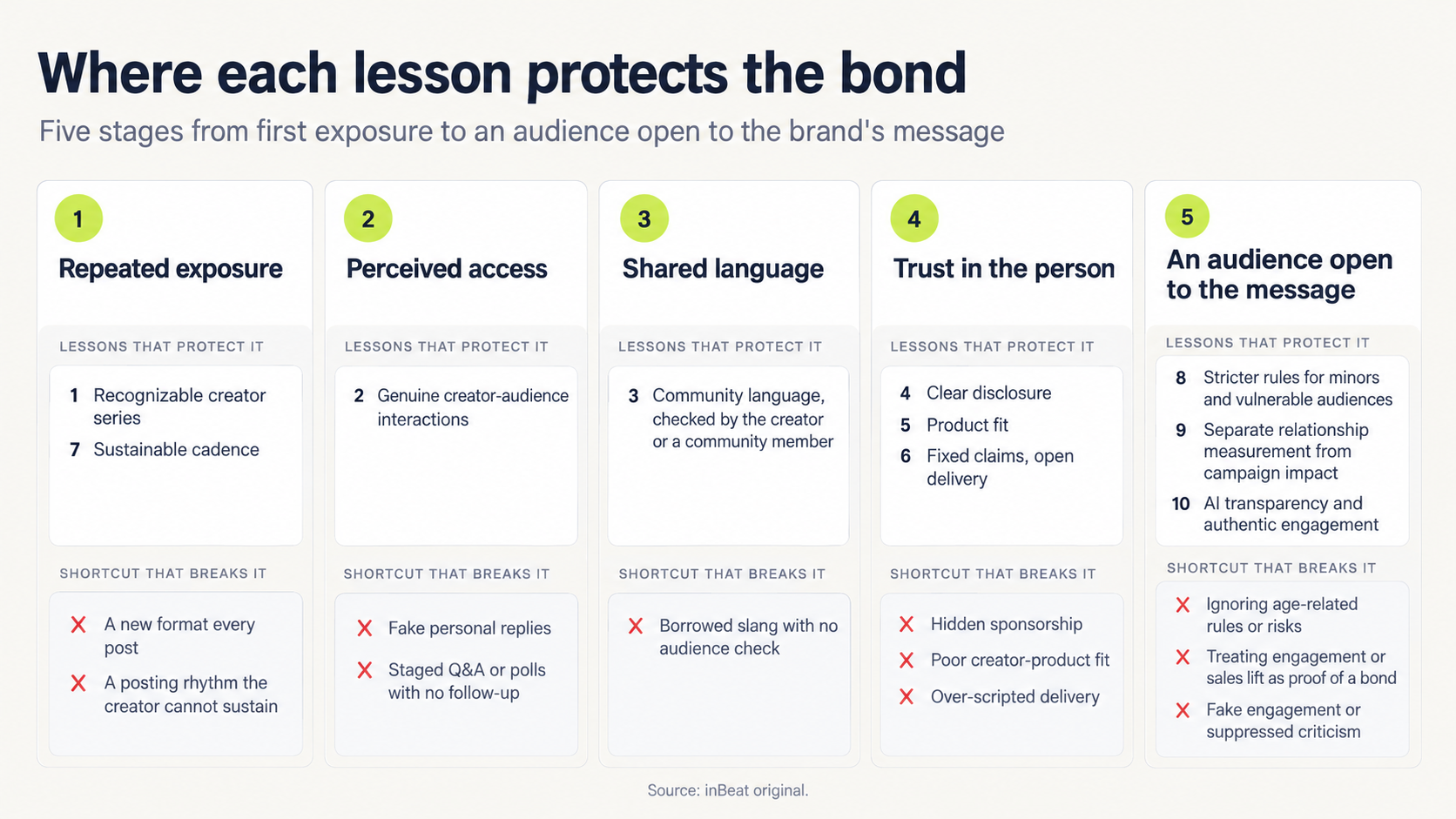
These four concepts often overlap in creator marketing, but each describes a different part of the audience experience:
Concept | What it describes | Connection to parasocial marketing |
|---|---|---|
Parasocial relationship | A one-sided sense of familiarity with a creator or media persona | The audience connection a brand may build around or tap into through a partnership |
Brand community | Interactions among people who share an interest in a brand | Creates a sense of belonging that can exist alongside parasocial relationships |
User-generated content (UGC) | Content created by customers or other users | Offers firsthand product perspectives without necessarily involving attachment to a creator |
Paid influencer partnership | A commercial arrangement between a brand and a creator | Introduces a brand to the creator's audience, with appropriate sponsorship disclosure |
Lesson 1: Repeated Exposure Builds Familiarity Around a Recognizable Format
Repeated exposure helps audiences become familiar with a creator, while a recurring series gives that familiarity a recognizable format. Keeping the same presenter or format is a practical approach, although research has yet to establish whether it outperforms varied content.
The underlying idea draws on Zajonc's 1968 research into the mere-exposure effect: repeated encounters can increase positive feelings toward something familiar.
In a four-week study of 185 young adults in the Netherlands, participants followed an assigned human or virtual influencer. Parasocial relationship intensity increased over time in both groups. The researchers tracked relationship development rather than the effectiveness of specific content formats.
For brands, a weekly video explainer with the same presenter is one approach worth testing. The series remains recognizable while the creator brings fresh topics and hooks to each episode.
Three recurring-format patterns brands can brief:
- A named weekly series with a fixed title card.
- A fixed segment inside the creator's regular content, such as a closing "one thing I'm using this week".
- A recurring host, where the same presenter opens every installment.
Once the format is established, test its posting rhythm as covered in Lesson 7.
Lesson 2: Make Creator-Audience Interactions Genuine
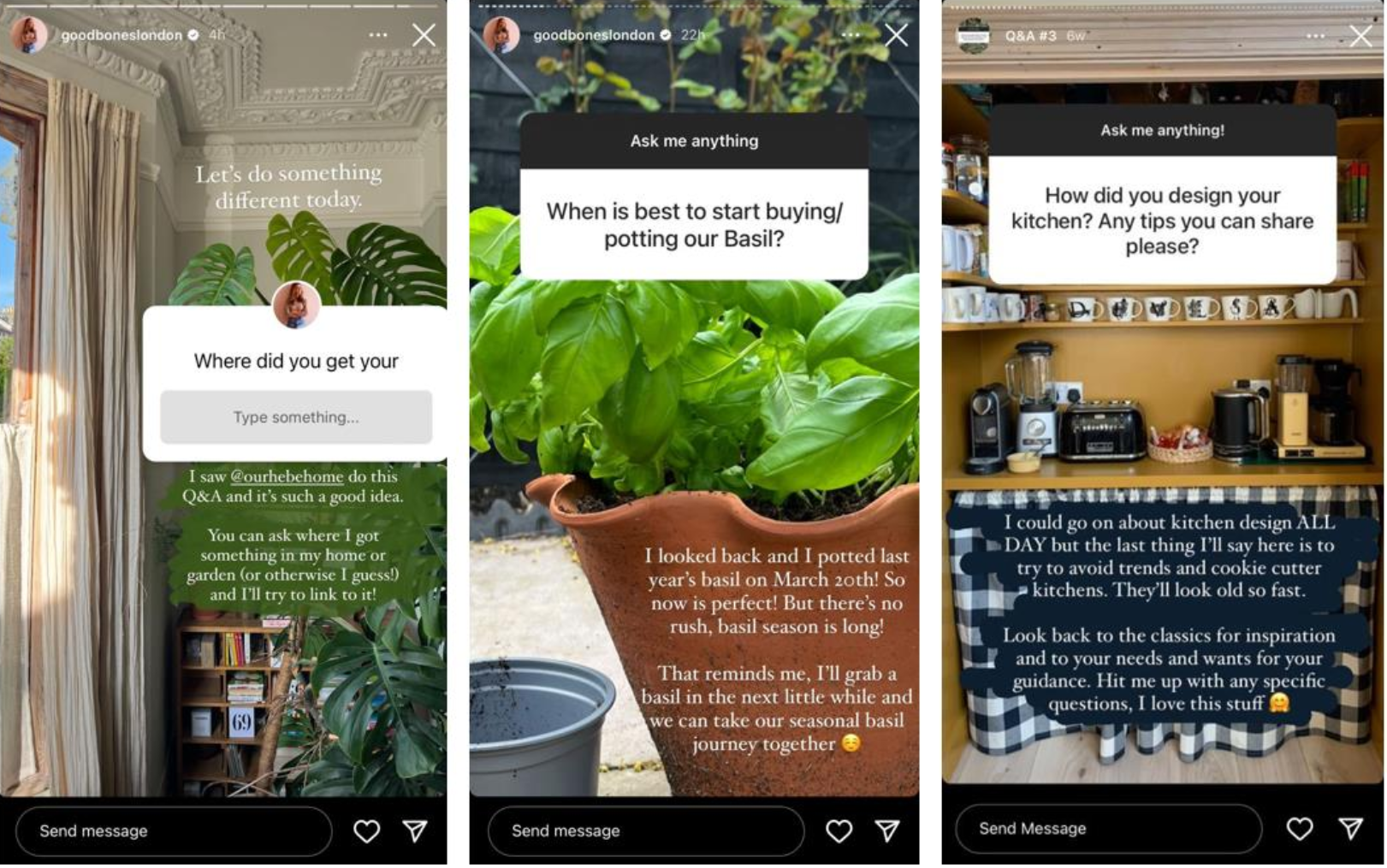
Perceived access is the feeling that a creator might notice or respond to someone in their audience. Brands can support that connection through genuine interactions, whether the creator answers personally or makes it clear that a team member handles responses.
A recurring Instagram Story Q&A offers one practical format: invite questions, then share answers in a follow-up Story so viewers can see how their participation shapes the content.
A 2023 experiment with 210 Chinese university students found that stronger parasocial relationships reduced resistance to food-related product placement (path coefficient -0.50). Average parasocial scores were 4.91 in the high-relationship condition and 4.11 in the low one. The experiment examined responses to advertising rather than the effects of replies or Q&A formats.
The researchers also suggested examining follower comments and creator-initiated interactions as signs of an existing relationship. These cues can inform creator selection, although the study did not establish which interaction formats build stronger connections.
Access cue | Earned version | Manufactured version |
|---|---|---|
Replies to comments | A person replies with specifics from the post | Templated replies or a bot posing as the creator |
Story polls | Results appear in later content | Polls that nobody mentions again |
Live Q&A | Unscripted answers to live questions | Pre-submitted questions staged to look spontaneous |
Direct messages | A real reply, or an honest "my team answers" label | Auto-replies written as if the creator typed them |
Pro tip: assign responsibility for replies before launching a creator series and set realistic response expectations. Consistent, genuine interaction matters more than making every answer appear personal.
Lesson 3: Speak the Community's Own Language and Let Its Members Verify It
Online communities develop recognizable ways of speaking, from shared references to the words they use for everyday problems. A creator who understands those patterns can communicate naturally, while a brand that copies a few popular expressions risks sounding out of place.
A 2020 study of nine online communities found that communities had distinctive linguistic styles. Another study published in Industrial Marketing Management analyzed 10,589 B2B brand tweets alongside 15 million tweets from their followers. Posts that matched the community's topics attracted more likes, replies, and retweets, while similarity in linguistic style was mainly associated with likes.
These findings suggest that understanding a community's language can inform better content. They do not establish that copying niche slang strengthens parasocial relationships. For creator campaigns, let the creator shape the wording and check unfamiliar expressions with someone who knows the audience.
Three language checks before you approve copy:
- Would a member of this community say it this way?
- Is the term current, or has the community moved on from it?
- Does the term already appear in the creator's own recent posts?
Lesson 4: Disclose Paid Creator Partnerships Clearly to Protect Brand Trust
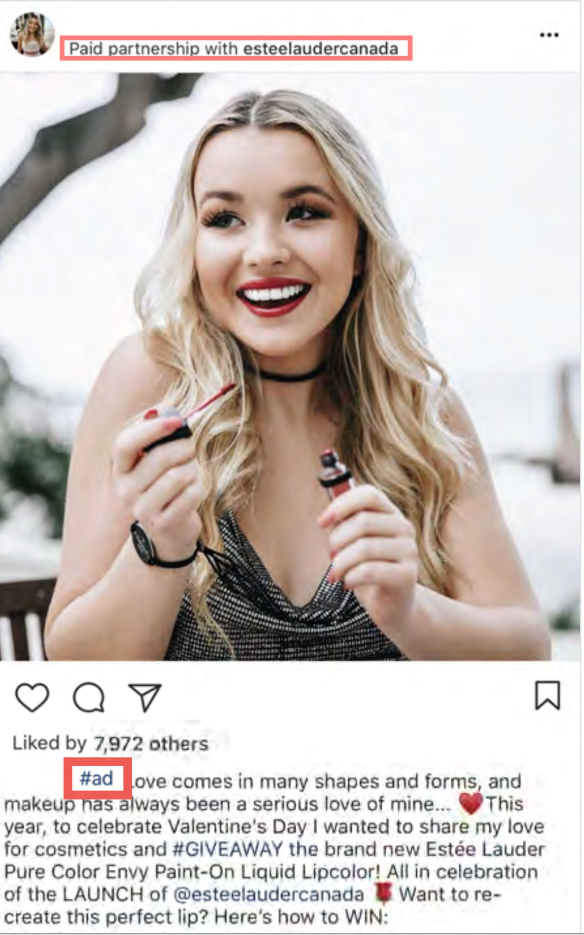
Disclose any material connection between a creator and a brand, including payments, free products, and other incentives. For campaigns reaching both US and UK audiences, a prominent "Ad" label upfront is a reliable default.
The FTC's 2023 Endorsement Guides explain that disclosures should be clear and conspicuous. They also warn that a platform's built-in disclosure tool might not be sufficient on its own.
The FTC's Disclosures 101 adds that a label should appear with the endorsement, where viewers can see it without expanding the caption. For video endorsements, the disclosure should appear in the video itself.
Disclosure | US: FTC | UK: ASA |
|---|---|---|
"Ad" or "Advertisement" | Acceptable | Acceptable |
"Sponsored" | Acceptable when clear and prominent | Discouraged as a standalone label |
"#sp" or "#collab" | Too ambiguous | Inadequate |
"#gifted", "PR", or "hosted" alone | May fail to explain the relationship clearly | Inadequate |
Platform "Paid partnership" tag alone | Do not assume it is sufficient | May suffice if clear, upfront, and prominent |
The distinction matters most for gifted content and platform labels. The FTC accepts clear statements such as "Thanks to Acme for the free product", while the ASA generally expects an upfront "Ad" label. For brands working across both markets, using a clear "Ad" disclosure alongside the platform tag avoids relying on the more permissive interpretation.
Disclosure also protects the bond. A 2025 study of 303 US social media users found that commercial tilt hurts purchase intention and that transparent sponsorship disclosure can significantly cushion that effect.
The record shows how often this fails. In the ASA sample from the introduction, only 20% of travel ads were adequately disclosed, and a further 11% used labels such as "PR", "gifted", or "hosted" that the regulator found inadequate. Enforcement has followed: Digiday reported in 2025 that at least six companies, including Revolve, had faced class-action lawsuits over undisclosed influencer posts.
Add the disclosure line to every creator brief and every whitelisted ad. Our guide to FTC guidelines for influencers covers material connections and penalties in more depth.
Lesson 5: Choose Creators by Product Fit and Audience Overlap
Choose creators who actually use the product and whose audience matches your buyer, then check both before you sign.
A 2023 experiment with 210 Chinese university students found that influencer-product congruence reduced resistance to product placement (path coefficient -0.66) and improved attitudes toward the placement. Better fit also influenced purchase intention indirectly, through lower resistance.
The findings were less consistent for virtual influencers. A 2026 study of 276 followers of Chinese virtual influencers found no statistically significant direct effect of product-endorser fit on purchase intention. Fit also did not significantly change the relationship between parasocial connection and purchase intention. For brands, product fit remains a useful screening criterion rather than a guarantee of sales.
Micro-influencers can offer access to focused niche audiences, but audience overlap still needs to be verified. Our guide to micro-influencer marketing covers what makes a good one.
Fit signal | How to check it | Red flag |
|---|---|---|
The creator uses the product | Ask for a use history, or watch their past posts | The creator has no opportunity to try the product before endorsing it. |
Audience overlaps your buyer | Request audience demographics and top locations | The audience shares nothing with your customer |
Past posts match the claim | Read the last 20 posts for the same topic | Past posts contradict what you want said |
Tier suits the niche | Compare reach to the size of the niche | Large reach with no niche signal |
No conflicting sponsor | Scan recent sponsored posts | A direct competitor in the last 90 days |
Lesson 6: Write the Creator Brief With Fixed Claims and Open Delivery
Lock the product claims and leave the delivery to the creator.
A 2025 study of 303 US social media users found that a stronger commercial orientation was associated with weaker parasocial relationships and lower purchase intentions. The researchers did not compare scripted and unscripted content.
Expedia took this approach with IShowSpeed during the nearly 12-hour livestream that launched their 2026 partnership. According to Marketing Brew, the teams spent months planning the collaboration, but Expedia gave the creator freedom to speak and react naturally during the broadcast. The campaign illustrates how structured planning can leave room for spontaneous delivery.
Filming where a product is actually used can make a demonstration more relevant, but a mobile-shot video is not automatically authentic. Our dark posting guide recommends collecting raw clips and multiple hooks before producing the final creative. This gives brands material to test while preserving the creator's original delivery.
Brief element | Lock | Leave open |
|---|---|---|
Product claims | Approved, substantiated claims and required disclaimers | The creator's wording, without changing the meaning of approved claims |
Tone | The creator's own voice | |
Hook | Two or three options from the creator | |
Location | Where the creator really uses the product | |
Call to action | One approved destination | Wording that fits the creator's style |
Keep disclosure requirements fixed as well, as covered in Lesson 4. Once the creator submits the raw footage, test different hooks and endings while keeping approved product claims intact.
If you want help turning this into briefs with testing hypotheses, our creative strategy services cover that work.
Lesson 7: Plan a Content Posting Schedule the Creator Can Sustain
Pick a posting rhythm the creator can keep for the full length of the creator partnership, and test it before you scale.
More sponsored posts do not automatically produce worse results. But ad saturation and the frequency of a creator's uploads are two different questions.
In an experiment with 190 US Instagram users, participants saw either one sponsored post alongside three organic posts or four sponsored posts from the same fictional influencer promoting one brand. The heavier ad mix had no significant immediate effect on brand attitude, purchase intention, or skepticism. Purchase intention rose at a follow-up 20 days later, particularly in the lower-ad group. Because participants saw the posts only once, the findings cannot establish the ideal weekly posting schedule for a real creator partnership.
For a live creator campaign, three practical rules help:
- Mix sponsored and non-sponsored posts so the feed keeps its normal rhythm.
- Publish on a fixed day or time so the audience learns when to expect the creator.
- Track paid-media frequency separately when amplifying creator posts. Ad frequency controls how often people see the same creative, while the creator's posting schedule determines when new content appears. Watch for creative fatigue in paid campaigns.
We found no verified benchmark for the right number of posts per week, so test it:
- Pick two cadences the creator can both sustain.
- Compare both cadences over similar periods with comparable content and offers.
- Choose one metric before the test starts, such as reply ratio or survey score.
- Favor the cadence that improves the chosen metric without sacrificing content quality. Treat sequential tests as directional rather than conclusive.
Lesson 8: Apply Stricter Rules for Vulnerable Audiences, Especially Minors
Treat audiences under 18 as a separate case with stricter rules, because the emotional bonds that help a brand carry more risk there.
Teens are heavy users of the platforms where those bonds form. The Pew Research Center's 2025 survey of 1,458 US teens found that 21% use TikTok almost constantly, and 36% use at least one of five named platforms almost constantly.
The FTC's 2023 Endorsement Guides identify child-directed endorsements as an area of special concern. The agency also warns that disclosures alone may be insufficient when advertising blends into entertainment aimed at younger children.
In the EU, the Digital Services Act prohibits online platforms from showing profiling-based ads to users they know with reasonable certainty are minors. The Unfair Commercial Practices Directive separately bans direct appeals to children to buy products or persuade adults to buy them. Brands should account for both restrictions when planning creator campaigns for younger audiences.
Audience segment | Main risk | Guardrail |
|---|---|---|
Under 13 | Greater difficulty recognizing advertising within creator content | Avoid paid creator campaigns directed at this group. Review local child advertising and privacy rules. |
Ages 13 to 17 | Strong creator attachments can make commercial recommendations harder to evaluate | Use clear disclosures, avoid manipulative personal appeals, and comply with restrictions on profiling-based advertising to minors. |
General adult audience | Undisclosed sponsorship and misleading endorsements | Apply the disclosure and creator brief standards covered in Lessons 4 and 6. |
Before launch, review the creator's audience demographics, platform targeting controls, and the advertising rules in each target market. Audience analytics help identify potential exposure to minors, but they do not replace compliance checks.
Lesson 9: Measure Parasocial Relationships and Campaign Impact Separately
Measure parasocial relationships and campaign performance separately. Surveys help assess how connected viewers feel to a creator, while audience behavior and sales data show what happens during the partnership.
Engagement alone is a weak measure of that connection. The parasocial interaction scale introduced by Rubin, Perse, and Powell in 1985 helped establish a way to study viewers' perceptions of media personalities. Later research distinguished interaction during media exposure from an ongoing parasocial relationship. For campaign research, use an established relationship scale or treat a shorter custom survey as an exploratory measure.
Behavioral signals add useful context. Returning viewers and meaningful replies indicate continued attention, although neither proves emotional attachment. An incrementality test can then estimate the campaign's contribution to sales, but it cannot isolate how much of that effect came from the parasocial bond itself.
Signal | What it shows | How to collect | Limit |
|---|---|---|---|
Relationship survey | How connected viewers feel to the creator | Use an established parasocial relationship scale with a sample of the audience | Self-reported; results depend on the scale and sample |
Reply ratio | How often viewers respond to content | Divide meaningful replies by views on series posts | Replies can reflect interest without emotional attachment |
Returning viewers | Whether audiences repeatedly consume the content | Track returning viewers in platform analytics | Repeat viewing does not prove a personal bond |
Incrementality test | Additional sales attributable to the campaign | Compare exposed and holdout audiences or regions | Measures campaign impact, not the bond itself |
We found no verified benchmark for brand lift or comment sentiment on parasocial campaigns, so set your own baseline in the first test.
Lesson 10: Add Ethical Guardrails for AI Personas, Fake Engagement, and Comment Moderation
Virtual influencers can develop parasocial relationships much like human creators. The four-week study discussed in Lesson 1 found that relationship intensity increased for both groups. That makes transparency important when brands introduce synthetic personalities to their audiences.
The FTC's 2023 Endorsement Guides cover virtual endorsers, while its 2024 Consumer Reviews and Testimonials Rule addresses deceptive practices involving fake reviews, testimonials, and social media indicators. The rule does not ban AI avatars outright. It does restrict certain false testimonials and the knowing purchase or sale of fake engagement used to misrepresent commercial influence.
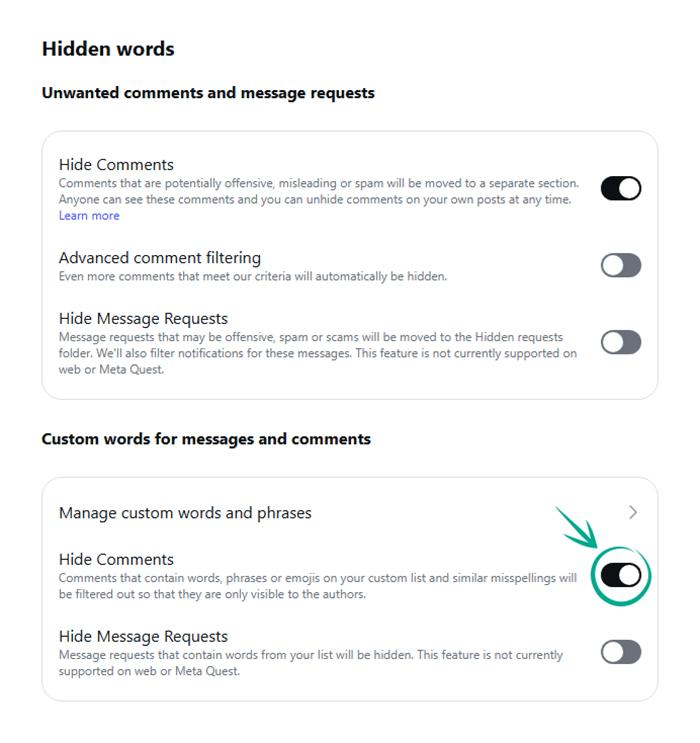
Comment moderation calls for a separate judgment. Removing spam and abusive messages helps maintain a useful conversation, while hiding genuine criticism simply because it is negative can create a misleading impression of audience opinion. Brands should set clear moderation rules that protect participants without manufacturing consensus.
Before launch, assign responsibility for AI-persona disclosures, engagement-vendor checks, and comment moderation so these safeguards remain consistent throughout the campaign.
Parasocial Marketing Checklist: Audit a Campaign Against All 10 Lessons
Run this checklist before launch and revisit it after the first test window. Resolve missing disclosures, unsubstantiated claims, unlawful targeting, and deceptive engagement practices before publishing. Treat the remaining checks as opportunities to improve the campaign rather than automatic reasons to pause it.
Lesson | What to check | What needs attention |
|---|---|---|
1. Repeated exposure | Each creator series has recognizable elements across installments. | The series lacks a consistent format or recognizable identity. |
2. Perceived access | Responsibility for audience interactions is clear, with realistic response expectations. | Automated replies impersonate the creator, or promised interactions receive no follow-up. |
3. Community language | Wording reflects recent audience conversations and has been checked by the creator or a community member. | Slang or references are used without checking whether the audience recognizes them. |
4. Disclosure | Every paid or gifted creator post has a clear, upfront "Ad" label. | Disclosure is hidden, ambiguous, or missing. |
5. Fit | Product relevance and audience overlap have been verified before signing. | The creator's content or audience data shows little connection to the product. |
6. Scripting | Product claims are substantiated, disclosures are approved, and creators have room for natural delivery. | Claims lack evidence, required disclosures are missing, or unnecessary scripting limits the creator's voice. |
7. Frequency | A sustainable cadence is agreed with the creator and reviewed after the pilot. | Posting quotas are imposed without testing or reviewing performance. |
8. Vulnerable audiences | Audience age and applicable advertising restrictions are reviewed | Age-related risks, prohibited targeting, or applicable advertising restrictions are overlooked. |
9. Measurement | Relationship strength and campaign outcomes are measured separately. | Engagement or sales lift is treated as proof of a parasocial bond. |
10. Guardrails | AI personas are identified where needed, engagement is authentic, and genuine criticism remains visible. | Synthetic identities mislead viewers, fake engagement is purchased, or criticism is deliberately suppressed. |
A Better Standard for Creator Partnerships
One useful test of a creator partnership comes after the sponsored post: can the creator return to their regular content without the collaboration feeling out of place? If a campaign depends on staged closeness, the problem starts long before publication. A better script can hardly fix a poor match between the creator, the product, and the audience.
inBeat starts with that fit. We help brands find credible creators, develop briefs that preserve their voice, and test campaign performance without confusing engagement with trust.
Planning a creator campaign? Book a strategy call. We'll review your concept and what it needs to deliver.
FAQs
Can a recurring content format work with multiple creators?
Yes. Give each creator a recognizable series while keeping the broader campaign consistent through its visual identity and messaging. The four-week study in Lesson 1 examined relationships with individual influencers rather than multi-creator campaigns, so test audience response to each creator before comparing results across the program.
Can a brand account or mascot hold a parasocial relationship, or only a creator?
A brand account can, to a degree. Research on social media brand relationships applies parasocial interaction theory to brand accounts and points to perceived interactivity and openness in communication as drivers. In practice that means a brand account earns the bond with the same cues as a creator: a recognizable voice, real replies, and a repeating format.
Does a parasocial strategy work for a B2B brand?
The mechanics carry over, but we found no controlled study on B2B, so treat this as practice. A founder or practitioner persona with a recurring format and real replies follows the same logic, and the measurement shifts from likes toward sales-cycle signals such as the questions prospects ask and how often they mention the content.
What should a brand do when a creator's audience accuses them of selling out?
Pause paid amplification of that creator's content, let the creator respond on their own channel, and keep the disclosure intact. The commercial tilt described in Lesson 6 is why the accusation lands, and a brand that adds pressure or deletes comments makes the tilt worse.
Does the bond transfer to the brand when a creator contract ends?
We found no verified evidence on this. Test it directly: survey the creator's audience on brand attitude before the contract ends and again two to three months after, and compare the results with a similar audience that never saw the creator.