

Influencer marketing agency for performance-focused brands
We plan, manage, and optimize influencer marketing campaigns. You reach the right audiences and see real growth in traffic, leads, and sales.
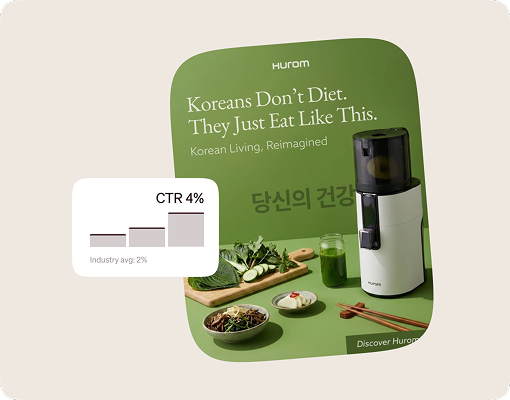
Creating with brands that live on social











What we deliver as an influencer marketing agency

Influencer strategy & planning
Most influencer campaigns start with creator outreach instead of campaign structure. Our team defines objectives, audience segments, content requirements, and success metrics before activation begins.

Creator identification & vetting
Not every creator with a large audience is the right fit for a campaign. We look past reach and assess audience composition, engagement authenticity, category alignment, and performance signals before confirming partnerships.

Influencer outreach & negotiation
Managing creator relationships at scale requires a clear operating system. Our team handles outreach, rate negotiation, deliverable terms, and creator communication across every campaign.

Nano & micro influencer programs
Smaller creators usually generate stronger audience engagement within niche communities. We help you reach those communities through nano and micro influencer programs built for targeted reach.
.svg)
Affiliate influencer marketing
Fixed-fee partnerships don't always align incentives. Our team structures commission-based creator programs that connect compensation directly to acquisition and revenue goals.

Product seeding & sampling
Sending products without a clear strategy limits campaign value. We manage end-to-end seeding programs covering creator selection, product matching, shipment coordination, delivery tracking, and creator follow-up.

Influencer contract & rights management
Usage rights and approval processes are easy to overlook until content is already made. We handle all of it upfront, before production starts: contracts, licensing terms, exclusivity requirements. That way, you avoid issues later.

Campaign performance & reporting
Campaign performance becomes clearer when reporting focuses on the right metrics. We track engagement, click-through, conversions, and CAC at the creator level, then use those insights to shape the next campaign.
How our influencer marketing process works
Step 01
Audience mapping & campaign strategy
We start by reviewing your audience, positioning, competitors, and campaign goals. Next, we define creator tiers, content formats, timelines, and success metrics.
Step 02
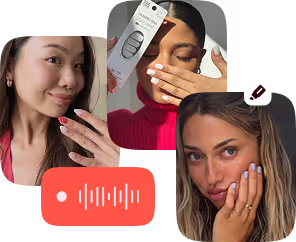
Creator sourcing, outreach & production
Once the strategy is clear, our team identifies creators, manages outreach, negotiates terms, and oversees content production. We handle approvals and delivery so every asset matches the campaign structure.
Step 03
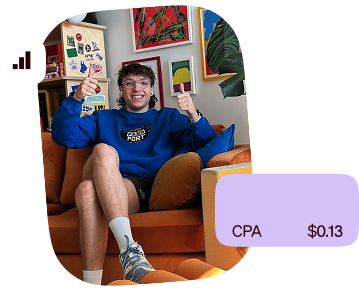
Performance tracking & optimization
After campaigns go live, we track performance at the creator, content, and audience levels. Then we identify what works, cut what doesn’t, and use the data to brief the next campaign cycle.
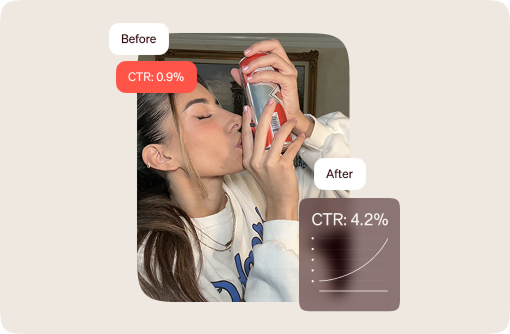



Why brands choose inBeat over traditional influencer marketing agencies

The inBeat model
- Creator selection starts with audience fit (follower count is not as important as relevance).
- Campaign objectives and success metrics are defined before outreach begins.
- Performance is measured at the creator, content, and audience level.
- Contracts, usage rights, and approvals are managed before production starts.
- Creator partnerships are structured to support your broader marketing goals.

The traditional agency problem
- Creator selection prioritizes audience size over audience relevance.
- Campaign planning centers on deliverables, and your performance goals become an afterthought.
- Reporting stops at engagement metrics without deeper campaign analysis.
- Legal and rights issues are discovered after production.
- Creator programs remain disconnected from the rest of your marketing strategy.
Platforms we work with
.svg)
Meta (Facebook + Instagram)
Creator partnerships across Facebook and Instagram for feed, Stories, Reels, and branded content. Useful for creator-led social proof, product education, and retargeting assets.

TikTok
Influencer campaigns structured for native discovery, FYP placement, and creator-led content that performs in-feed.
.svg)
Snapchat
Creator-led activations for mobile-first, younger audiences, built for vertical content and high-frequency reach.
.svg)
B2B influencer programs using professional creators for thought leadership, lead generation, and brand authority.
.svg)
Influencer content structured around product discovery, evergreen search, and save-driven audience behavior.

YouTube
Influencer integrations for product reviews, tutorials, Shorts, and dedicated videos. Helpful for brands that need more space to explain the product before purchase.
Services that support influencer campaigns
UGC agency
Creator assets structured for paid amplification, organic content, and on-site conversion.
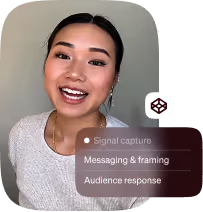
Nano influencer ads
High-volume creator systems built for niche reach and category fit.
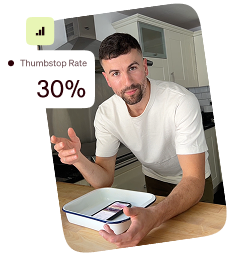
B2B influencer marketing
Professional creator programs built for thought leadership and qualified reach.
Related insights


Frequently Asked Questions
How do you determine whether a creator is the right fit for our campaign?
When should we use nano and micro influencers instead of larger creators?
How do you measure the success of an influencer campaign?


