.svg)
.svg)
.svg)
.svg)


.svg)


%20(1).png)

Nano influencers may have smaller audiences, but they make up a large share of the creator economy.
In fact, 2025 EA Journals research found that nano influencers account for around 76% of influencers on Instagram and 87% on TikTok.
Their smaller follower base can also lead to closer personal connections within specific communities.
For brands, this creates an opportunity to reach specific audience segments through thought leaders who already have a place within those communities.
Still, strong results depend on audience fit, content quality, campaign structure, and performance tracking.
In this guide, you’ll learn what nano influencer marketing is, why it works, and how to build a successful campaign for your brand.
TL;DR
- Nano influencers usually have 1,000 to 10,000 followers and serve focused communities.
- Audience fit matters more than follower count when choosing creators.
- Nano influencers work well for UGC, affiliate campaigns, product seeding, and niche targeting.
- Clear goals, budgets, timelines, and deliverables make campaigns easier to manage.
- Product seeding, paid sponsorships, affiliate deals, and ambassador programs are common partnership models.
- Creator briefs should give direction without limiting creative freedom.
- Track each creator with UTM links, coupon codes, affiliate links, and GA4.
- AI can help with nano-creator discovery, fraud checks, outreach, analysis, and reporting.
What Is Nano Influencer Marketing?
Nano influencer marketing involves working with small creators who usually have around 1,000 to 10,000 followers. These influencers usually build content around a clear niche, interest, profession, or local community.
A nano influencer is defined more by audience size and community connection than celebrity status.
Examples of Successful Nano-Influencer Marketing
Real campaigns show how nano and smaller creators can help brands create social content, support launches, and reach specific communities. Here are a few examples of how brands have used creator programs in practice.
1. Nordstrom
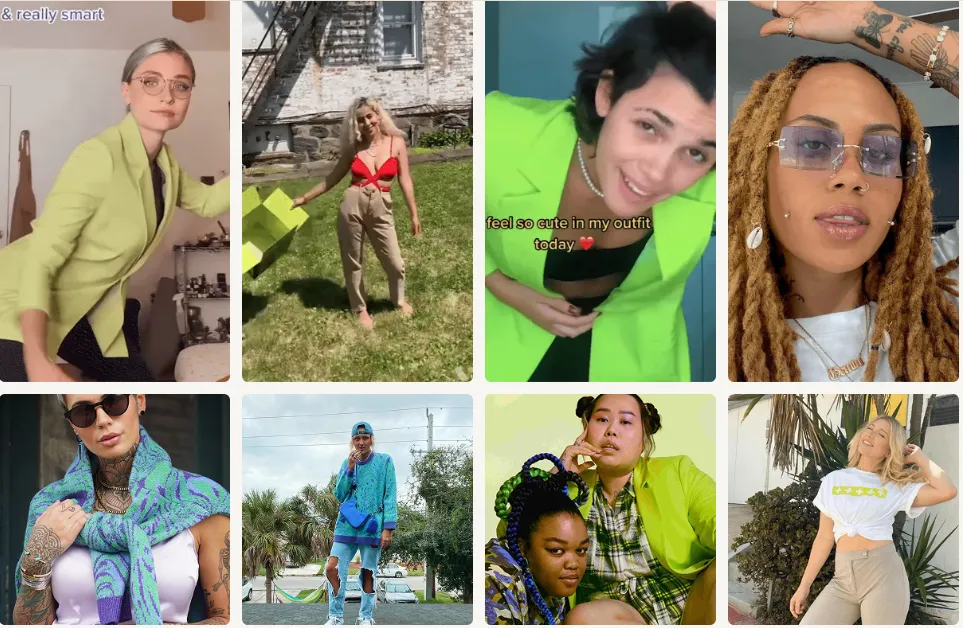
Nordstrom partnered with inBeat Agency on a creator campaign supporting its collaboration with Wildfang and the launch of a nonbinary clothing line.
Our team sourced and activated 100+ nano creators across different cities to promote the collection through authentic photo and video content.
The campaign delivered 50+ photo and video assets and reached a cumulative audience of more than 750,000 people across creators.
This example shows how nano influencer programs can give large brands both targeted community reach and a steady stream of creator content.
2. GLDN
Jewelry brand GLDN works with smaller creators to show its products in natural, everyday content.
One example is TikTok creator Trista, who has around 3,500 followers.
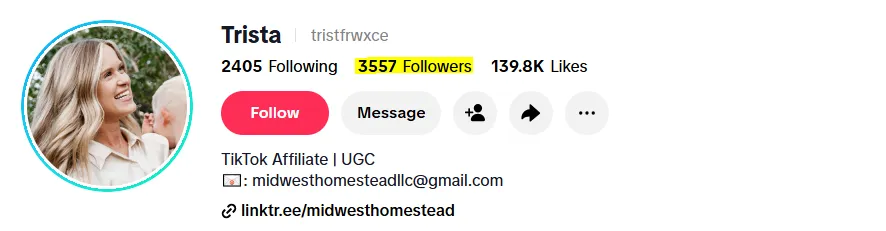
In her GLDN collaboration, she showed a ring on camera and talked viewers through its design and material in her usual content style.
This is a simple example of how brands can use nano influencers for product-focused content that feels more like a personal recommendation than a polished brand ad.
Nano vs. Micro vs. Macro Influencers
The main difference between influencer tiers is audience size. However, follower count also affects potential reach, campaign costs, creator relationships, and how brands structure campaigns.
| Influencer tier | Typical follower count | Audience characteristics | Common brand use |
|---|---|---|---|
| Nano influencers | 1,000 to 10,000 | Small, focused communities | Niche targeting, product seeding, UGC, local campaigns |
| Micro influencers | 10,000 to 100,000 | Larger niche audiences | Brand collaborations, product launches, affiliate programs |
| Macro influencers | 100,000 to 1 million | Broad audiences with greater reach | Large awareness campaigns and major brand partnerships |
| Mega influencers | 1 million+ | Mass audiences | Large-scale awareness and high-visibility campaigns |
Read Next: Complete Guide to Micro-influencer Marketing
Why More Brands Are Investing in Nano Influencer Marketing
Nano influencers give you access to smaller, focused communities where creators can have real conversations with their followers.
Let’s look at why that matters for your campaigns.
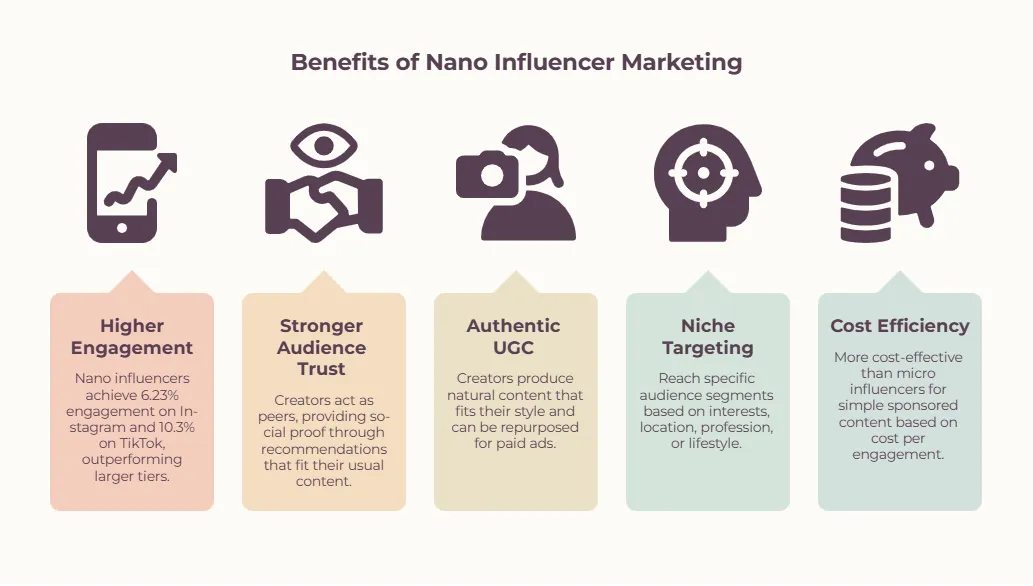
Higher Engagement
Smaller audiences can lead to more meaningful interactions. Nano creators have more room to reply to comments, answer questions, and stay involved with their communities.
And the data supports this. eMarketer reports that nano influencers have the highest Instagram engagement rate among influencer tiers at 6.23%.
On TikTok, nano-influencers have an average engagement rate of 10.3%, compared to 7.1% for mega influencers.
Stronger Audience Trust
Nano creators can feel more like peers than online celebrities. Their followers may have followed them for a shared interest, hobby, profession, or local connection.
That familiarity can add social proof when a creator recommends a product that genuinely fits their usual content.
More Authentic UGC
Nano creators usually produce content in the same style their followers already know. A brand collaboration can therefore feel natural when the product fits the creator.
You also gain authentic content that may support paid ads, landing pages, and other social media channels if your agreement includes content rights.
Better Niche Targeting
A smaller follower base can have a hyper-niche focus. This gives you a way to reach specific audience segments based on interests, location, profession, or lifestyle.
For example, a sustainable fashion brand could work with several small creators whose audiences already care about ethical clothing.
Cost Efficiency
Nano influencers can stretch your budget further when the campaign format is simple and easy to scale.
A 2025 Hong Kong Baptist University study found that nano influencers were more cost-effective than micro influencers for simple sponsored content, based on cost per engagement.
This can make them a practical choice when you want to test more creators without committing a large share of your budget to each partnership
Is Nano Influencer Marketing Right for Your Brand?
Nano influencer marketing is a strong fit for your brand if you want to reach specific communities, generate authentic content, test creator partnerships, or support product seeding and affiliate campaigns.
| Your goal or situation | Are nano influencers a good fit? | Why |
|---|---|---|
| Reach a niche audience | Yes | You can select creators around specific interests, locations, or audience segments. |
| Generate UGC | Yes | Multiple creators can give you more content volume and creative angles. |
| Promote a local business | Yes | Local creators can connect you with communities in specific areas. |
| Support product seeding | Yes | Gifting-first campaigns can work well across a larger creator pool. |
| Test affiliate strategies | Yes | Affiliate links and special codes let you connect creator activity with conversions. |
| Build social proof | Yes | Creator reviews and product experiences can support brand credibility. |
| Reach millions quickly | Usually no | Macro influencers can deliver wider exposure through a single partnership. |
| Run a celebrity-led campaign | No | Larger creators are a better fit when fame and mass visibility are the main goals. |
You can also mix influencer tiers. Nano creators can handle targeted community reach while larger creators support wider awareness. The right mix depends on what you want the campaign to achieve.
How to Find the Right Nano Influencers
The right nano influencers may already be talking about your niche, using your products, or creating content your target audience follows. The key is knowing where to look.
Below, we have shared six practical ways to find them.
1. Work with Specialized Nano-Influencer Agencies
Managing creator discovery yourself can get time-consuming when you need dozens of creators. A specialized nano-influencer marketing agency like inBeat can handle sourcing and outreach at scale.
This works well if you need a steady creator pipeline without managing every search yourself.
Search Directly on Social Media
Start on the platforms where your audience spends time. Search niche keywords, hashtags, locations, brand mentions, and relevant posts.
For example, a sustainable fashion brand could search terms like #ethicalfashion, #slowfashion, or location-specific fashion content to find smaller creators already posting in that niche.
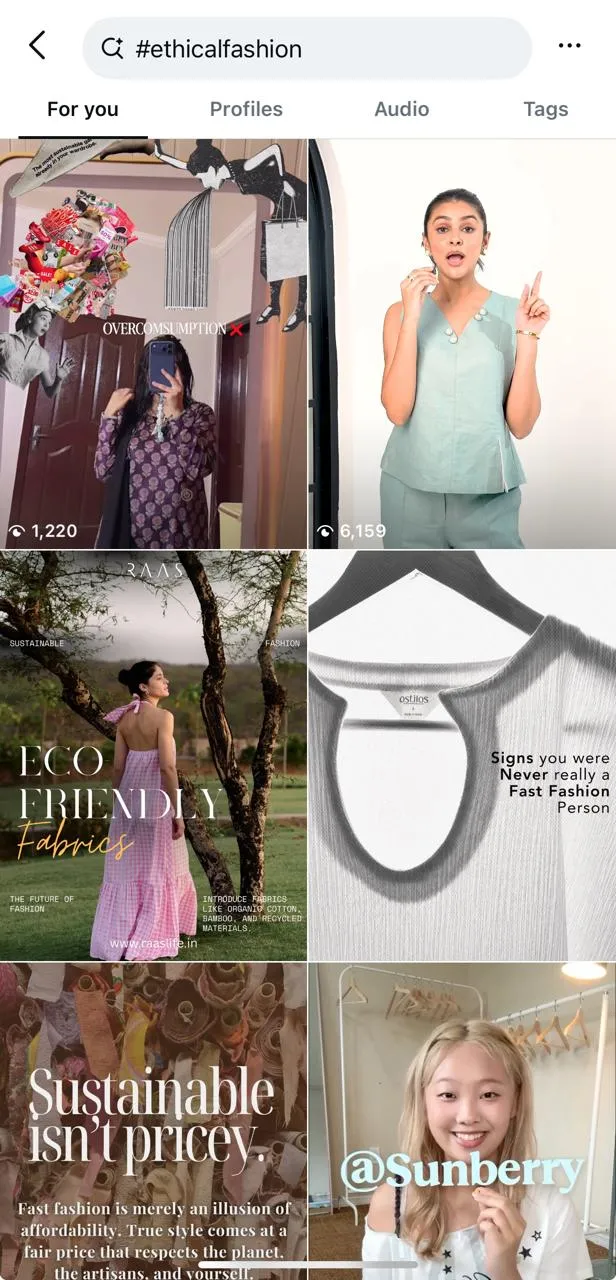
On Instagram and TikTok, you can also check who creates content around topics closely related to your product.
Plus, social listening tools like Sprout Social and Brandwatch can help you spot recurring conversations and creators within them.
3. Turn Loyal Customers into Creators
Your existing customers can be a strong source of nano influencers. Look for people who already post about your products, tag your brand, or mention you without being asked.
These customers already know your product, which can make the first collaboration easier to set up.
4. Use Influencer Discovery Platforms
Influencer discovery platforms like Modash and Upfluence can speed up your search across large creator databases.
You can filter creators by follower count, niche, location, platform, and other criteria. This helps narrow a large creator pool before you start outreach.
Read Next: 10 Influencer Outreach Email Templates That Actually Get an Answer
5. Discover Creators Through Employee Advocacy
Your employees may already create content or have connections within relevant communities. Ask your team about active creators in your industry, local area, or customer groups.
This approach can uncover nano creators that a standard database may miss.
How to Vet Nano Influencers Before You Partner
A small follower count does not automatically make someone a good nano influencer for your brand. So, you still need to check audience fit, engagement quality, content, and past activity before you reach out.
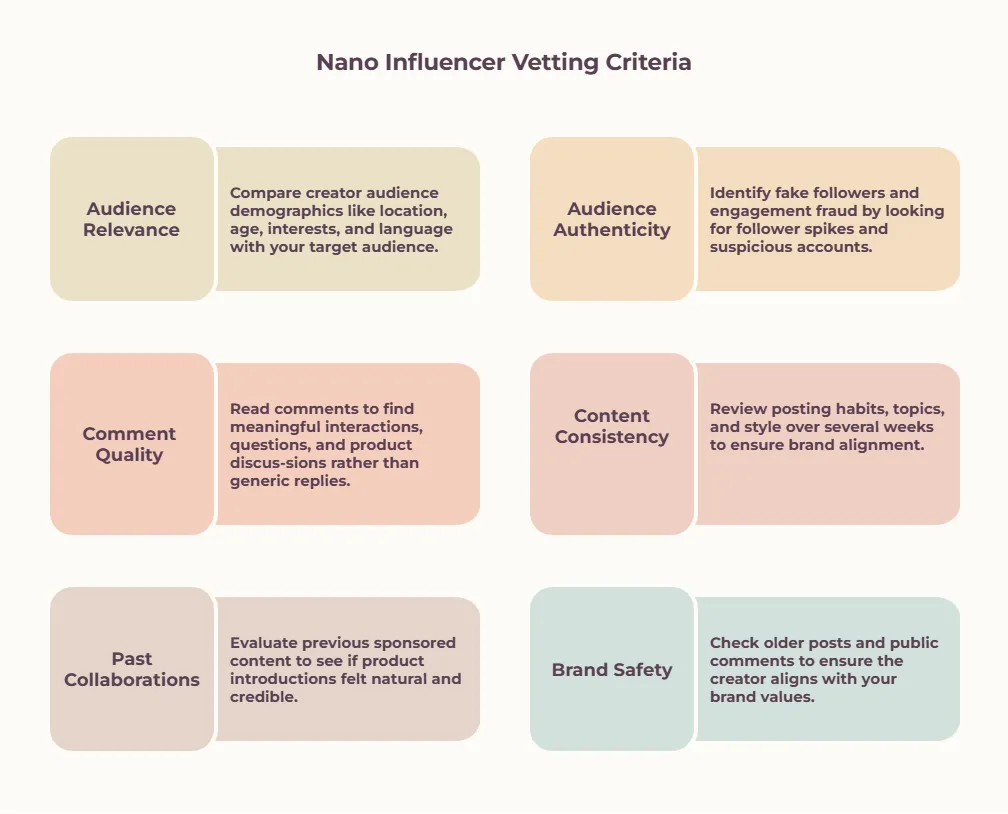
Verify Audience Relevance
Start with the people the creator actually reaches. Check audience demographics such as:
- Location
- Age
- Interests
- Language
Compare these details with your target audience. Strong audience fit matters more than a creator who simply works in the right niche.
Identify Fake Followers and Engagement Fraud
Look for sudden follower spikes, unusual engagement rates, or a follower base filled with suspicious accounts. These patterns can point to inflated numbers.
Influencer marketing software can help you check audience authenticity before campaign selection.
Review Comment Quality
Go beyond the number of comments. Read them.
Look for meaningful interactions, questions, product discussions, and replies from the creator. Repeated emojis and generic comments such as “Great post!” may signal weak engagement quality.
Evaluate Content Consistency
Review several weeks of posts instead of judging one strong video. Look at the creator’s usual content style, posting habits, topics, and content quality.
You want someone who can create brand-aligned content without making the partnership feel out of place.
Check Previous Sponsored Collaborations
Review past sponsored content and brand collaborations. See how products were introduced and whether paid posts still felt natural for the creator.
Too many unrelated brand partnerships can weaken brand affinity and make recommendations feel less credible.
Assess Brand Safety
Check older posts, captions, public comments, and other social media accounts for anything that could create problems for your brand.
Pay close attention to brand value alignment. A creator should fit the standards you expect from anyone representing your brand.
P.S. Also working with micro influencers? Check out our Ultimate Guide to Finding Micro Influencers for practical ways to find the right creators for your campaign.
How to Structure a Successful Nano Influencer Campaign
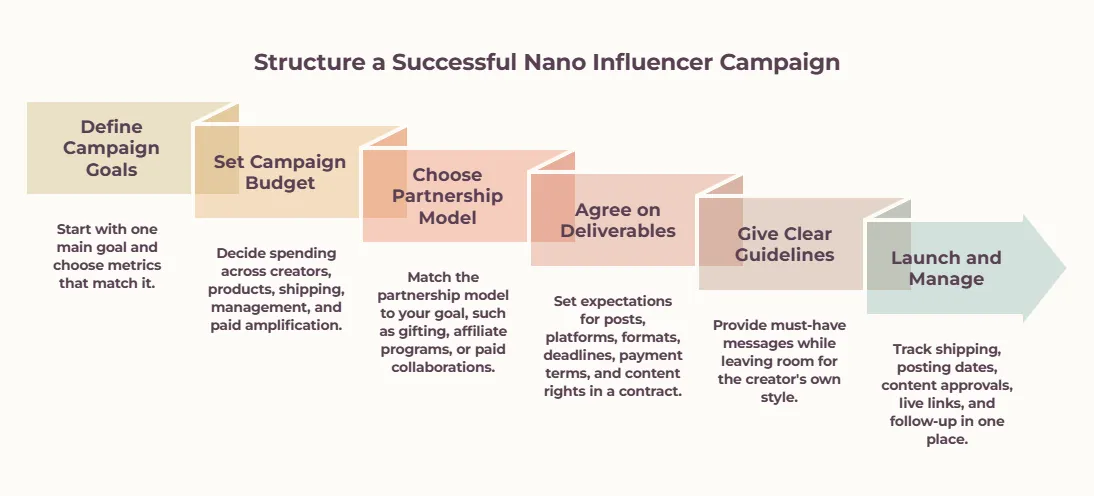
A good nano influencer campaign needs a clear plan before creators start posting. Set the goal, budget, partnership terms, and workflow upfront. This keeps everyone on the same page as your creator pool grows.
Below, we’ve shared a simple step-by-step process you can follow to structure the campaign from planning to launch.
1. Define Campaign Goals
Start with one main goal. You might want sales, UGC, product reviews, brand awareness, or affiliate conversions.
Then choose metrics that match it. For example, track conversions for sales campaigns and content delivery for UGC campaigns.
2. Set your Campaign Budget
After that, decide how much you can spend across creators, products, shipping, management, and paid amplification.
Your budget should also match the number of creators you plan to activate. We suggest leaving some room for creators who perform well and deserve a second campaign.
Insider tip: Start with a smaller creator group when testing a new campaign structure. Use the performance data to decide where the next round of budget should go.
3. Choose the Right Partnership Model
Next, match the partnership model to your goal. Gifting first campaigns can support product seeding, while affiliate programs connect creator rewards to sales.
You can also use paid collaborations or performance commissions when you need specific deliverables or actions.
4. Agree on Deliverables and Timelines
Set expectations before content creation begins. Confirm the following things beforehand:
- Number of posts
- Platforms
- Formats
- Deadlines
- Payment terms
- Content rights
Put these details in a campaign-specific contract. This gives both sides a clear record of what was agreed.
5. Give Creators Clear Guidelines
Tell creators what they need to communicate, then give them room to shape the creative angle for their audience.
This balance matters, as a CreatorIQ survey found that 44% of creators want better communication from brands, while 43% want more creative input.
Pro tip: Give creators a few must-have messages instead of a word-for-word script. You hired them for their content style, so leave room for it.
6. Launch and Manage the Campaign
Once your creators are ready, keep campaign management simple. Track everything in one place, including:
- Shipping coordination
- Posting dates
- Content approvals
- Live links
- Content follow-up
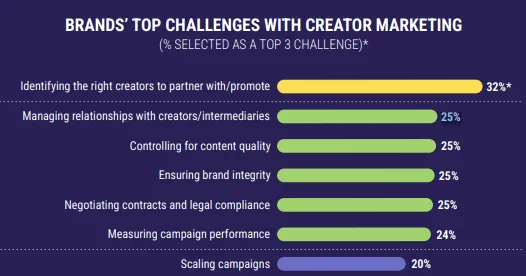
This gets harder as your creator pool grows. According to IAB’s 2025 Creator Economy report, 25% of brands cited managing creator relationships as a top three challenge, while 20% cited scaling campaigns.
A clear workflow helps you catch delays early and keep content delivery on schedule.
How Much Do Nano Influencers Charge?
Nano influencer rates vary by platform and content format. According to Shopify’s 2026 influencer pricing guide, nano creators can charge anywhere from a few dollars to $1,000 per post or collaboration.
Here’s a quick breakdown of Shopify’s estimated rates:
| Platform | Estimated nano influencer rate |
|---|---|
| $25 to $250 | |
| $25 to $150 per post | |
| TikTok | $5 to $200 per post |
| YouTube | $200 to $1,000 |
| X | Around $2 per 1,000 followers |
Remember, these figures are useful starting points, but there is no fixed nano influencer rate. Your final cost can change based on content format, production effort, audience value, and campaign requirements.
For example, an Instagram Reel may cost more than a Story because a video takes more work to produce. Usage rights and exclusivity can raise the fee further.
So, use these ranges to plan your initial budget. Then negotiate each partnership based on what you actually need from the creator.
Nano Influencer Partnership Models
You can structure nano influencer partnerships in several ways. The right model depends on your campaign goal, budget, and what you expect from each creator.
- Product seeding: Send free products to selected creators. Depending on your agreement, content may or may not be guaranteed.
- Paid sponsorships: Pay creators a fixed fee for agreed sponsored content and deliverables.
- Affiliate partnerships: Give creators affiliate links or discount codes and pay performance commissions on the sales or leads they generate.
- UGC partnerships: Pay creators for content creation. They create assets for your brand, but they do not always need to post them on their own social media accounts.
- Brand ambassador programs: Build long-term partnerships with creators who promote your brand across multiple campaigns or over a set period.
- Hybrid partnerships: Combine free products, fixed fees, and performance commissions within the same creator agreement.
You can use these models for product launches, local campaigns, events, and other brand collaborations. The best choice depends on the action you want creators to take and how you plan to measure success.
How to Measure Nano Influencer Marketing Success
Start with the goal you set for the campaign. Remember, a product awareness campaign and an affiliate campaign should not be judged by the same numbers.
You can use this framework to choose the right metrics:
| Metric | What it tells you | How to track it |
|---|---|---|
| Engagement rate | How actively people interact with creator content | Likes, comments, shares, saves, and platform analytics |
| Reach | How many unique people saw the content | Creator or platform analytics |
| CTR | How many viewers clicked through to your site | UTM links, platform analytics, or GA4 |
| Conversions | How many sales, sign-ups, or other actions creators generated | GA4, affiliate links, coupon codes, or special codes |
| ROAS | How much revenue you earned compared with campaign spend | Revenue attributed to the campaign versus total spend |
| CAC | How much you spent to acquire each new customer | Campaign spend divided by new customers acquired |
| LTV | How valuable creator-acquired customers become over time | CRM and customer revenue data |
Connect Performance Back to Each Nano-Creator
Campaign averages can hide your best and worst performers. Use unique UTM links, affiliate links, or coupon codes for each creator where possible.
Then connect that performance data with GA4 and your sales data. This gives you a clearer view of attribution and helps you see which creators drive clicks, conversions, and revenue.
For awareness campaigns, sales may not tell the full story. Track reach, engagement quality, brand mentions, and brand sentiment alongside conversion metrics.
Insider tip: Keep creator-level performance tracking consistent across campaigns. Over time, you can build your own performance benchmarks and identify creators worth bringing into long-term partnerships.
This approach is stronger because it keeps measurement, tracking methods, and business outcomes together without turning GA4, UTM links, coupon codes, etc., into separate, repetitive subsections.
How AI Is Changing Nano Influencer Marketing
AI can make large nano influencer programs easier to manage. It helps teams search bigger creator pools, review data faster, and handle repetitive campaign tasks.
Some of the main ways brands can use it are:
- AI creator discovery: Nano creators can be harder to find through manual searches because many have limited visibility. AI tools can scan larger creator pools and surface smaller accounts based on niche, location, audience demographics, and content style.
- Fraud detection: A small follower count does not guarantee audience authenticity. AI tools can flag unusual follower growth and engagement patterns across hundreds of nano creator profiles before you shortlist them.
- Personalized outreach: Nano campaigns may involve contacting dozens or even hundreds of creators. AI can help personalize outreach based on each creator’s niche and recent content, rather than sending the same message to everyone.
- Predictive analytics: When you have a large nano creator pool, AI can compare historical performance data and identify creators or creative angles that may deserve another campaign.
- AI reporting: Tracking dozens of nano creators can create a lot of performance data. AI can summarize results, compare creators, and surface patterns that are easy to miss in campaign averages.
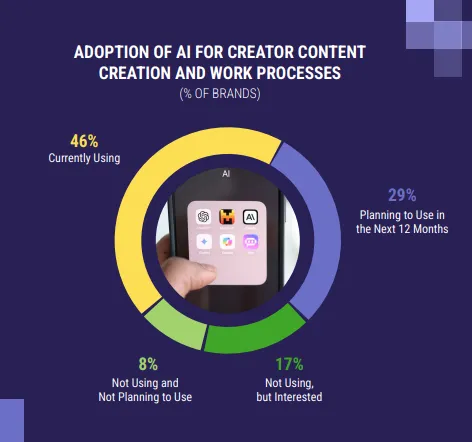
According to the same IAB’s 2025 Creator Economy report we mentioned above, 46% of brands already used AI for creator marketing tasks, while another 29% planned to use it within the next 12 months.
Still, we suggest using AI to support your team rather than replacing human judgment. This matters even more with nano influencers, where personal connections are part of the value.
Scale Your Nano Influencer Strategy With inBeat Agency
If you want to build a nano influencer program without managing hundreds of creator tasks yourself, inBeat Agency can help.
Our team handles nano-creators sourcing and vetting, outreach, product seeding, content coordination, usage rights, and performance reporting. You get a structured program built around your audience, campaign goals, and the creators most relevant to your brand.
Get a free marketing audit to see where nano creators could fit into your current strategy.
Frequently Asked Questions
How many nano influencers should a campaign include?
There is no fixed number. A small test may involve 10 to 20 creators, while larger programs can activate dozens or hundreds. Your budget, campaign goals, audience segments, and management capacity should guide the final number.
Can B2B companies use nano influencers?
Yes. B2B brands can work with niche experts, founders, practitioners, and industry creators who have smaller professional audiences. Nano influencers can be useful when credibility and access to a specific target audience matter more than mass reach.
How can brands turn nano influencers into long-term ambassadors?
Start by identifying creators who consistently deliver strong content and meaningful audience responses. Then offer repeat campaigns, fair compensation, early product access, or performance commissions to build a deeper relationship over time.
Should brands require content usage rights from nano influencers?
Yes, if you plan to reuse creator content. Your campaign-specific contract should define where the content can appear, how long you can use it, whether paid advertising is included, and any additional fees.
Can inBeat Agency manage product seeding campaigns?
Yes. Our team at inBeat Agency can manage product seeding from creator selection through shipping coordination, delivery tracking, and content follow-up. This can be useful when your campaign involves sending products to a large pool of nano creators.
Does inBeat Agency handle nano influencer usage rights?
Yes. We negotiate usage rights before content collection and coordinate content delivery for reuse across different channels. This gives your brand clear permission to repurpose creator content according to the agreed terms.