.svg)
.svg)
.svg)
.svg)


.svg)


%20(1).png)

Influencer marketing can be highly profitable. But not every brand has the budget to pay a bunch of creators, particularly the big ones, to post about their product or service. This doesn’t mean influencers are out of the marketing picture.
Many brands, even those with big budgets, turn to influencer seeding for earned marketing. They don’t pay the creator, but they get them to talk about their brand.
If done right, influencer seeding can drive brand awareness, credible content, social proof, and traffic without relying entirely on paid ads. It can even help you identify creators who may be worth future paid partnerships.
This matters because shoppers already rely on creator recommendations when deciding what to buy. In fact, three out of four shoppers in the U.S. have bought something because an influencer recommended it.
This guide will show you how to build that system without overspending. You will learn how to choose creators, design seeding packages people actually want to open, improve outreach, track results, and turn one-off gifted posts into long-term creator relationships.
P.S. If you want a managed approach, inBeat Agency’s influencer marketing services can help you plan creator lists, handle outreach, coordinate product seeding, and track earned posts. We can also help you identify high-performing creators and turn positive responses into repeatable campaigns.
What Is Influencer Seeding?
Influencer seeding means sending free products, samples, or curated gifts to selected creators who may want to try them and share their experience organically.
Unlike a paid sponsorship, influencer seeding usually does not involve fixed deliverables, posting dates, or guaranteed content. You can invite a creator to share their honest experience, but you cannot treat the gift as payment for a required post.
This distinction matters. Some brands approach seeding like a simple product-for-post exchange, which can make the outreach feel transactional. Strong seeding works better when the product, creator fit, and unboxing experience give people a real reason to talk about the brand.
The goal is to earn authentic creator content, social proof, and product visibility without paying for every mention upfront.
Influencer Seeding Examples
Brands have been taking advantage of influencer seeding since the early days of influencer marketing. It’s a particularly attractive tactic for companies in beauty, skincare, apparel, and lifestyle verticals because creators can actually use those products and show them to their audience.
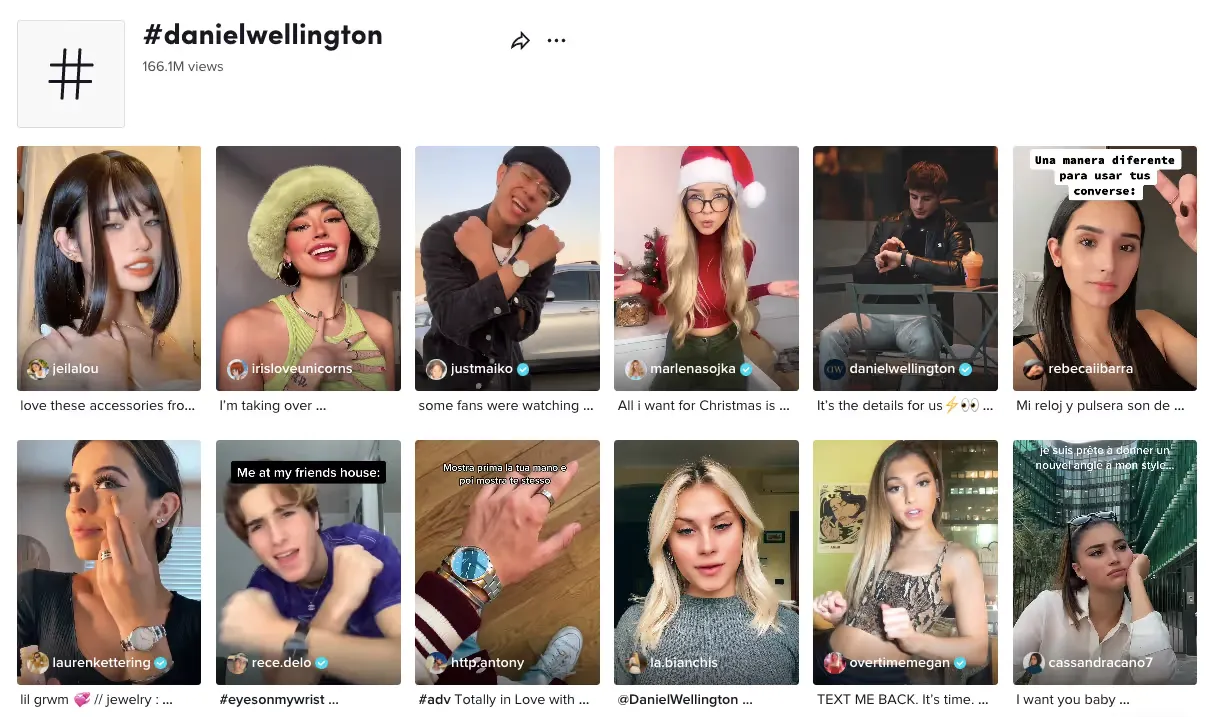
Daniel Wellington, a Swedish watchmaker, sent free watches to micro-influencers and asked them to post photos of themselves wearing them. The brand is now a $230 million empire.
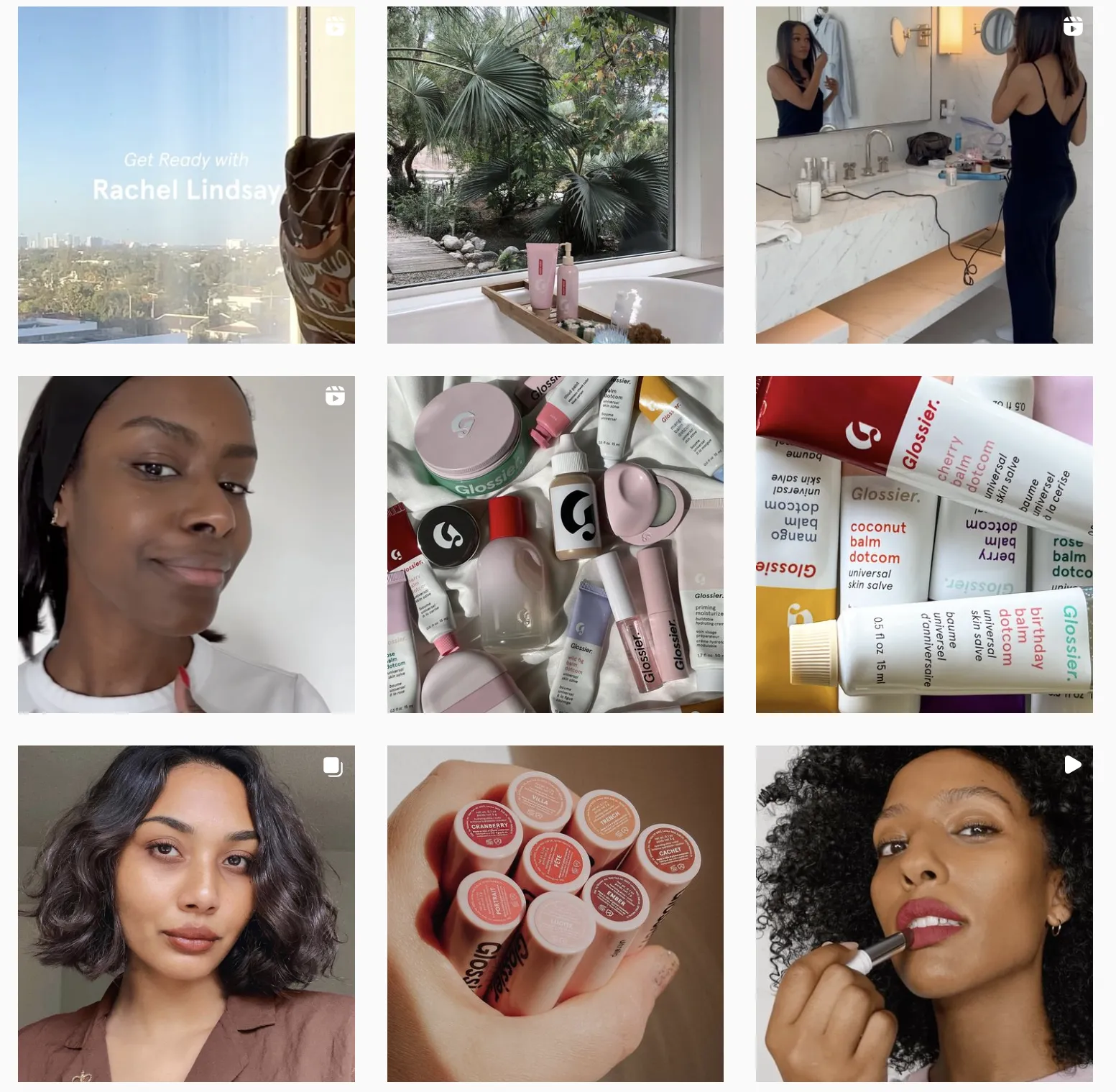
Glossier also shows how seeding can work when a brand already has a strong community angle. The beauty brand sent products to creators and everyday beauty fans who were already active in online conversations. Many of those creators shared content, reviewed products, and helped Glossier feel more personal and community-driven.
And it wasn’t just macro-influencers but also more niche micro-influencers that churned out user-generated content (UGC) that Glossier then reposts on its Instagram.
This has worked so well that 70% of their traffic comes through peer referrals, according to Extole.
Influencer Gifting vs. Influencer Seeding
Influencer gifting and influencer seeding are essentially the same thing, with one caveat: influencer seeding is more strategic.
Influencer gifting is usually a one-to-one product send: you give a creator a free product with no required post. Influencer seeding expands that to multiple creators and brings intent. You’re giving stuff away for free but with an agenda, so you carefully pick creators and strategically build relationships, preferably to sustain engagement.
Your seeding strategy could also serve as a test of creator fit for a potential paid partnership.
For example, a small skincare brand might gift a PR box to a loyal customer who previously posted about them. But if that same brand sends 75 curated PR Boxes to vetted influencers, tracks replies, story mentions, clicks, and post quality, that becomes an influencer seeding campaign.
Influencer Seeding vs. Paid Partnerships
Influencer seeding and paid partnerships can both generate creator content, but they operate very differently. The biggest difference is compensation. With influencer seeding, you send products without paying creators a fee for guaranteed content.
In a paid partnership, the creator agrees to specific deliverables through a contract. That could include a TikTok video, an Instagram Reel, a series of Stories, or usage rights for the content. The brand knows what content it will receive and when it will go live.
Beyond these main distinctions, there are many other subtle differences. Let’s dissect those:
| Factors | Influencer seeding | Paid partnerships |
|---|---|---|
| Main goal | Earn authentic creator interest, organic posts, product feedback, and early social proof | Secure guaranteed deliverables for launches, promos, paid media, or larger campaigns |
| Creator compensation | Usually, free products or packages | Creator fee, product, commission, affiliate payout, or a bundled compensation model |
| Deliverables | Not guaranteed unless you create a separate agreement. A creator may post, share privately, or not post at all | Guaranteed deliverables such as 1 Reel, 3 Stories, 1 TikTok, link placement, or even an ad for your brand |
| Best-fit creator types | Nano influencers, micro influencers, loyal customers, niche creators, and early brand fans | Micro creators, macro-influencers, celebrities, category experts, or creators with proven sales impact |
| Content control | You can share product information, but you should not expect scripted talking points | You can request briefs, talking points, review rounds, timelines, and platform-specific formats |
| Usage rights | Not automatic. If you want to reuse creator content rights for ads, your e-commerce website, email, or landing pages, request permission clearly | Usually negotiated upfront |
| Measurement | Track reply rate, products shipped, earned posts, Story mentions, referral traffic, discount code usage, and content performance | Track contracted posts, reach, engagement, clicks, sales, CAC, ROAS, and campaign KPIs if using as an ad asset |
When influencer seeding makes more sense
- You have a product people naturally want to try or show.
- You need social proof, but have a limited campaign budget.
- You are testing creator-market fit before investing in paid partnerships.
- You want to build long-term creator relationships.
When paid influencer marketing is the better option
- You need guaranteed deliverables by a specific launch date.
- You require scripted messaging or approvals.
- You need usage rights for ads, website assets, or email creative.
- Your product requires significant education, onboarding, or compliance review.
What Are the Benefits of Influencer Seeding?
For lean e-commerce and DTC teams, influencer seeding works best when you treat it as a low-risk learning system. The biggest benefits are a lower upfront cost, more creator-earned content, and greater authenticity than highly scripted ads.
Let’s dive into those:
1. Cost-Effective
The clearest benefit is budget control. With influencer seeding, you’re primarily bearing the cost of the product or gift package you send to the creator, including shipping, of course.
For proper influencer collaborations, you’d be paying a fee. This can range anywhere from a few hundred dollars to tens of thousands of dollars.
From a testing perspective, too, it’s extremely cost-efficient. Instead of paying every creator a fixed fee before you know whether they can drive awareness or sales, you invest in product, packaging, shipping, and outreach first. This makes product seeding even more useful when you are testing a new SKU, launching into a new niche, or trying to find creators who genuinely like your product.
2. Earned Influencer and User-Generated Content
The second benefit is content volume and audience exposure. And that’s the whole point of influencer seeding in the first place.
A good seeding program can generate product photos, unboxing videos, reviews, short-form videos, stories, tutorials, and before-and-after posts that feel more natural than brand-shot creative. This can be great for small teams that can’t constantly produce fresh creatives in-house.
Secondly, through that UGC or influencer post, your brand gets earned marketing. Their audience sees your product and may even visit your account and/or website. And if they convert, you've got a sale without even running an ad.
Pro tip: If you’re doing this at scale, invest in an influencer marketing platform. If you are manually saving screenshots from Instagram Stories, TikToks, and Reels, you will eventually lose track of assets and permissions. GRIN, for example, collects posts, Stories, and videos in one place by the creator and campaign.
3. Authenticity
Working with creators can help your company build trust in its early days. Creators typically disclose a paid partnership with a brand. But that’s not the case with seeding, where they’re not getting paid to post. This makes their post feel even more authentic.
They actually use and experience the product and talk about it from a place of truth. And if the comments are positive, the impact on the audience will be super strong.
This is why nano-influencers and micro creators perform well in seeding campaigns. They usually have tighter communities, more specific niches, and more direct audience interaction than larger accounts.
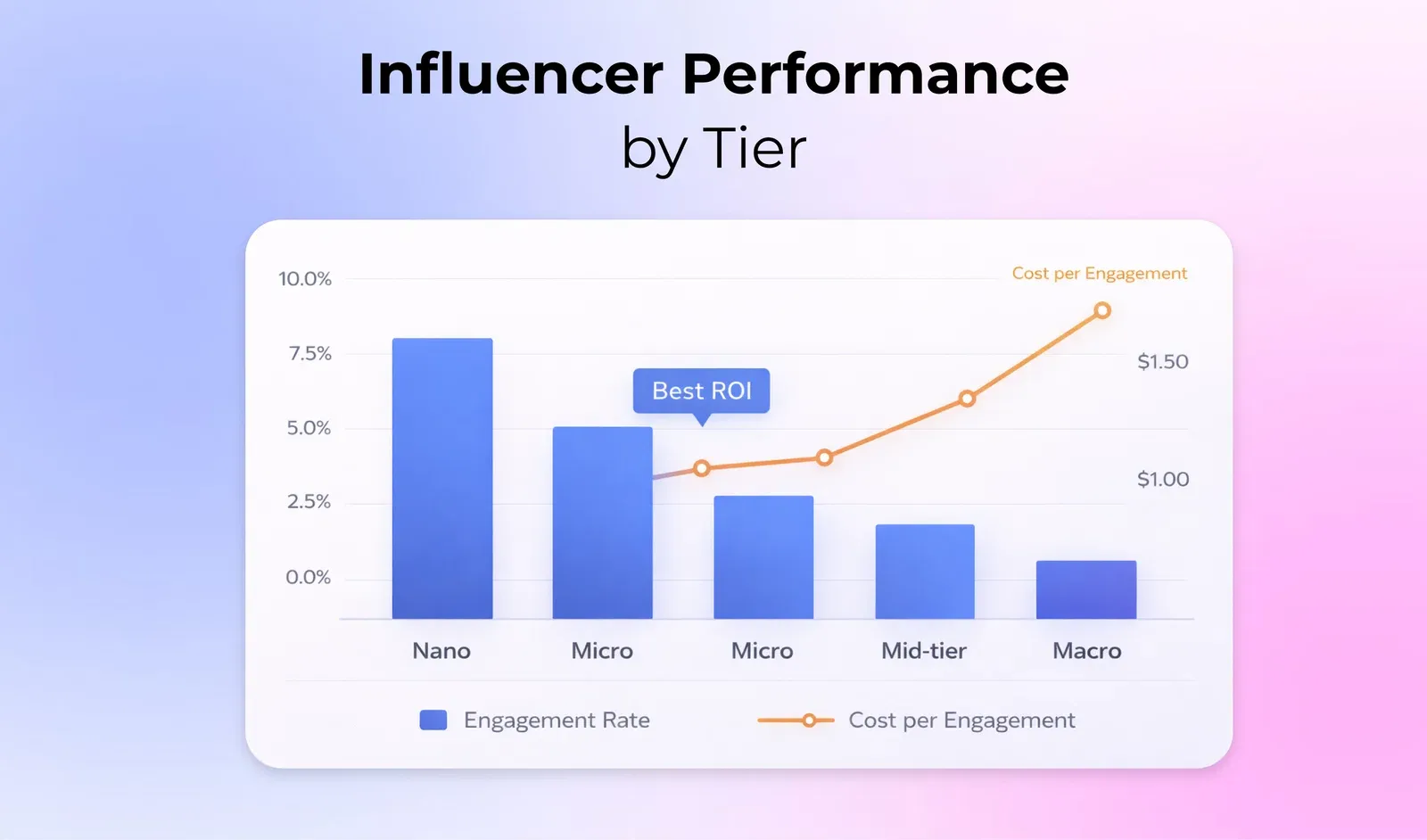
In fact, one survey found 73% of brands deliberately work with mid-tier creators because of a stronger engagement-to-cost ratio.
A Complete Guide to Influencer Seeding Campaign
Below, we’ll walk you through how to use influencer seeding to earn creator posts on a tight budget. When the process works, you can turn it into a repeatable workflow until your budget allows room for paid creator partnerships.
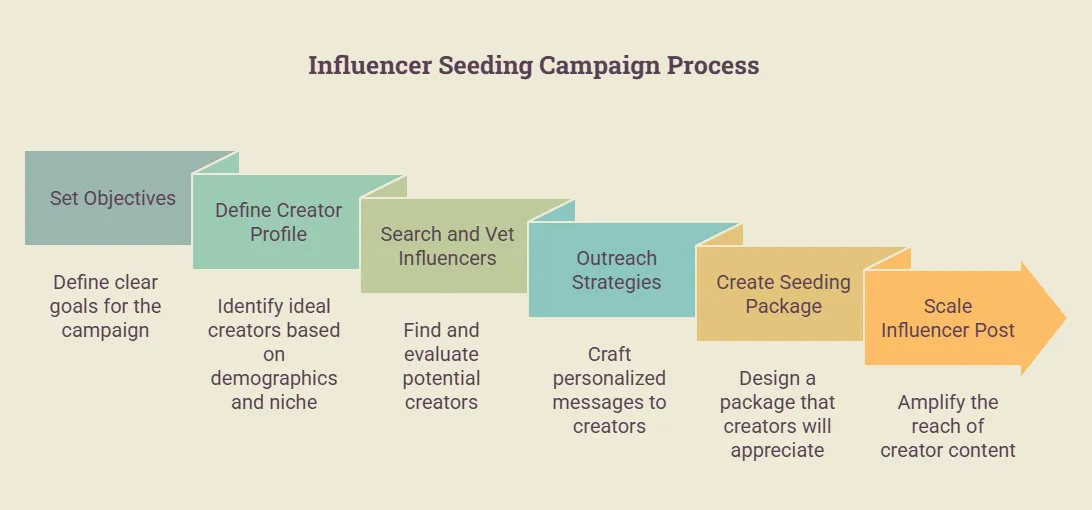
1. Ground Your Expectations and Set the Objectives
Before you contact any influencers, decide what success actually means. Again, influencer seeding doesn’t guarantee posts, so your objectives should distinguish between what you can control and what you hope to earn.
You can control:
- How many creators do you contact
- How carefully you vet each creator
- How relevant the product is to their audience
- How personalized your outreach is
- How strong the unboxing or product experience feels
- How clearly you communicate disclosure, product details, and next steps
You cannot fully control whether a creator posts, when they post, or what format they choose. Similarly, you don’t know how the platform algorithm distributes the post and whether the post immediately drives sales.
Still, you need clear objectives because they shape creator selection, outreach, tracking, and follow-up.
Your goals may include:
- Earn organic posts, stories, reels, TikToks, reviews, or mentions
- Generate UGC or influencer-generated content
- Build awareness among niche audiences
- Test creators for future paid partnerships
- Collect product feedback
- Build affiliate or ambassador pipelines
- Support a product launch without relying only on ads
2. Define Your Creator Profile
Your creator profile is the filter that keeps influencer seeding from becoming expensive guesswork.
Before you build a list, decide exactly which creators are most likely to care about your product, speak to your buyer, and create the kind of authentic content your brand can learn from.
- Start with audience demographics. A creator’s follower count matters less than whether their audience looks like your actual customer. If your protein snack is aimed at millennial women in the U.S. who shop online, a creator with a large international teen audience may not be a good fit, even if their engagement looks strong.
- Next, define the niche or community. A broad lifestyle creator can reach more people, but a smaller creator inside a specific community often creates more relevant trust. For example, a maternity skincare brand can partner with pregnancy-safe beauty creators, doulas, postpartum wellness accounts, and new-mom vloggers rather than general beauty accounts.
- Choose your platform focus based on how people naturally discover your product. If your offer needs a demonstration, TikTok, Instagram Reels, and YouTube Shorts can be great channels. Many influencers are present on multiple platforms, too. But prioritize platform-specific ones if you’re eyeing TikTok exclusively.
- Then define the creator’s content style. Do you need unboxing videos, tutorials, routine videos, taste tests, outfit styling, “day in the life” mentions, before-and-after posts, or review-style explainers? This matters because not every creator is good at every format.
Pro tip: Don’t ignore location and shipping feasibility. If your margins are tight, international shipping, customs delays, melted products, broken glass, and returns are not worth it.
3. Search and Vet the Influencers
Once your creator profile is clear, start searching for influencers in places where your ideal customer already discovers products: TikTok search, Instagram Reels, YouTube Shorts, Pinterest, niche newsletters, customer tags, review content, and competitor comment sections.
You could use influencer platforms for creator discovery, like Modash or Shopify Collabs. But these platforms will add to the cost and are better suited for managing paid influencer partnerships.
So, we recommend the manual approach for finding and vetting influencers, at least for initial product seeding.
Here’s a practical guide to searching and vetting influencers for your seeding campaigns:
- Search product-specific phrases, not just broad hashtags. Use terms like “sensitive skin routine,” “high protein snacks,” “pet parent essentials,” or “capsule wardrobe over 40.”
- Review creators who tag competitor products, but avoid anyone who looks locked into exclusive brand partnerships.
- Check your own tagged posts, customer reviews, and post-purchase surveys. Some of your best creators may already be customers.
- Build separate lists for nano-influencers, micro-influencers, and larger creators so you do not compare them unfairly.
- Shortlist creators who already create the content types you need, such as tutorials, unboxing videos, reviews, images, or short-form videos.
- Look closely at engagement quality, not just engagement rate. Read the comments. Are followers asking real questions? Are they tagging friends? Are they mentioning buying intent?
- Finally, evaluate brand fit before you send anything. The creator should be someone your brand would be comfortable reposting, partnering with, or eventually turning into an ambassador. Check their tone, values, past sponsorships, content quality, and disclosure habits.
AGAIN, don’t vet by follower count alone. Influencer Marketing Hub’s 2026 benchmark report found that fake or bot followers represented 56.5% of reported influencer fraud and quality issues in its dataset, which means your first filter should be audience quality, not reach.
4. Influencer Outreach Strategies (Free Influencer Seeding Outreach Template)
Not all creators might be interested in getting gifts. But more importantly, not everyone may be inclined to post. So, you have to be strategic in how you approach them.
Your outreach should make the creator feel selected. Even when you are running seeding campaigns at scale, the message still needs to show why the product fits their audience, their content style, and their current interests.
Lead with product relevance. A creator probably won’t read a long company story in the first message. They need to know what the product is, why it fits their audience, and what is included.
You can indicate that you’d appreciate it if they share a post about the product with their audience. Don’t require them to post in exchange for the gift. Say clearly that there’s no obligation.
Plus, make disclosure easy. The U.S. Federal Trade Commission (FTC) says creators should disclose material connections with brands, including free products, when endorsing or recommending products. Include a simple note such as “If you decide to share, please disclose that the product was gifted.”
Language matters a lot, and it can be used to convince the creator to post without ever being pushy.
5. Create a Seeding Package Creators Actually Want
Your seeding package should make the creator think, “Wow. This was clearly chosen for me.”
That doesn’t mean it has to be expensive. It means the product, note, packaging, and instructions should feel relevant, useful, and easy to turn into content.
Start with the right product(s). If you have a wide product catalogue, don’t send the same SKU to every creator. In fact, you can leverage the creator numbers to showcase the wide variety of your own products.
Match the product to their niche, preferences, and previous posts. For example, a haircare brand might send curl products to a curly-hair creator, scalp-care products to a wellness creator, and travel minis to a frequent traveler.
Make the package easy to understand within 30 seconds. Include a short card with the product name, what it does, who it is for, how to use it, and one or two standout details. This can even be a handwritten note.
And if your product requires education, for example, assembly, include a QR code for instructions if a manual isn’t already there.
6. Scale Influencer Post
When a creator posts about your product, help that content reach more people. Ask them to tag your brand if they have not already, so you can repost the content on your own account.
On Instagram, you can easily repost someone’s reel on your own page and stories.
UGC also makes a stellar product testimonial. Take permission from the creator to use their video on your online store.
Analyze the performance of creator posts to understand how the audience reacts (likes + comments), how many views the post has, and the impact it has had on your brand (inquiries, follows, sales lift). And take lessons from it to apply to your own organic posts.
How to Track Influencer Seeding Results
We suggest tracking only those metrics that help you decide whether to repeat, refine, or stop a product seeding campaign. You don’t need a fancy tool to gather results. You could compile these metrics for each creator in a spreadsheet (or create a custom dashboard with AI if you’re doing it at a scale).
Here’s what you want to track:
- Outreach response rate: Measure how many creators reply compared with how many you contacted. (A low response usually means your creator list, offer, or first message needs work.)
- Products shipped vs. posts earned: Compare shipped packages against earned organic posts to calculate your posting rate and cost per earned post.
- Story mentions: Track temporary Instagram Story tags quickly with screenshots or platform alerts, as they disappear fast but can still drive high-intent clicks.
- Reel/TikTok/video mentions: Track each short-form video mention to see how many different posts you earned.
- Engagement on creator posts: You can see engagement on public posts, including likes, comments, and shares. But if you want more detail, you can ask the creator to share post-level metrics like reach, saves, and link taps, especially if the post performed well.
- Website traffic from social: Use UTM links or creator-specific landing pages to see how much referral traffic comes from each creator or platform.
- Discount code usage (if that’s offered): Track redemptions, revenue, and which influencer posts move people beyond awareness.
Common Influencer Seeding Problems (And How to Solve Them)
You might not get the results you need with your initial influencer seeding campaign. But remember, it’s a learning experience, and you’ll get better at it.
Seeding gets stronger when you review what happened, improve your creator list, adjust your offer, and follow up with more intention.
To give you a head start, we have shared some common problems brands run into, along with our recommendations for solving them.
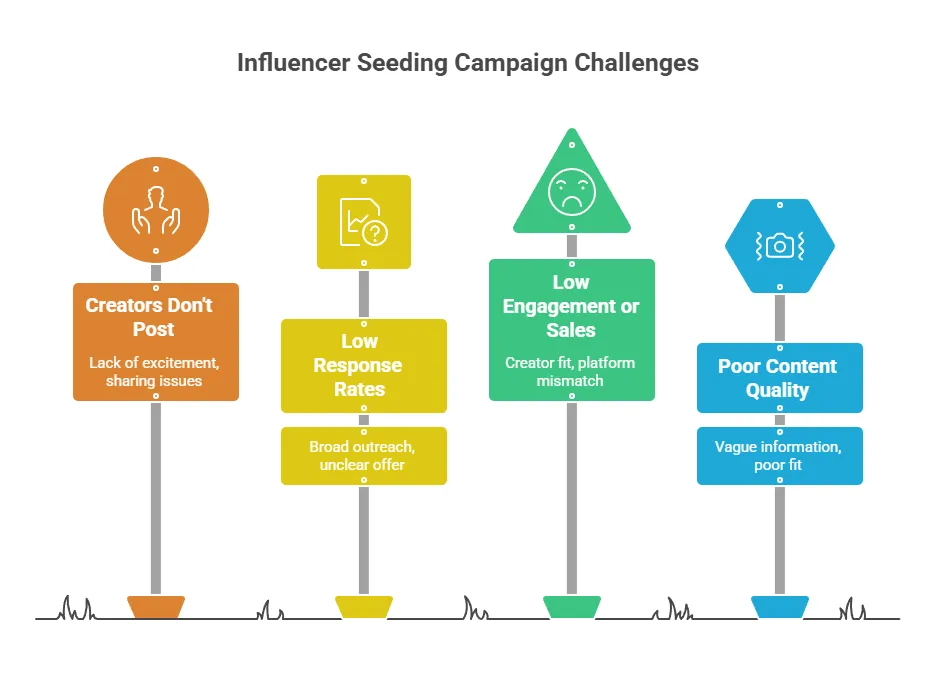
1. Creators Receive the Package But Don’t Post
This usually happens for three reasons: the creator was not excited enough, the package was not easy to share, or the expectations were unclear.
To improve your post rate:
- Use opt-in before shipping so creators confirm they actually want the product.
- Let creators choose shades, sizes, flavors, or product variants when possible.
- Send a short follow-up after delivery with helpful product details and a reminder to post if they will.
- Build a “do not resend” list for creators who accept products but never engage.
- Prioritize creators with a track record of thoughtful, gifted posts.
Also, be patient. You might not get a post for weeks. This is because many creators manage multiple partnerships, content schedules, and audience commitments at the same time.
2. Low Response Rates
Low replies usually mean your outreach list is too broad, your offer is unclear, or your message looks automated. A creator should quickly understand why you chose them, what you are offering, and whether any obligations are attached.
Fix this by tightening your creator profile before increasing volume. For example, instead of contacting 50 general lifestyle creators, contact just 10 nano-influencers or micro-influencers who already post about your exact category.
A simple outreach improvement is to personalize the first sentence around a specific post, then keep the rest short. Your message should include the product, why it fits their audience, what is included, and whether posting is optional.
3. Posts Don’t Get Enough Engagement or Drive Sales
If influencer posts are getting low engagement, the issue may be creator fit, content format, product positioning, or a platform mismatch. Don’t judge the campaign only by likes. Track saves, shares, comments, product questions, link clicks, discount code usage, and referral traffic.
Here’s what could help increase engagement and excitement about your product through influencer posts:
- A unique link or code for a discount or free shipping
- A landing page that matches the creator’s audience
Remember, not every creator post will go viral or bring lots of new customers.
Insider tip: If comments show buying questions but sales are weak, the problem may not be the creator. Check your product page, shipping costs, offer, mobile speed, and checkout flow before blaming the post.
4. Content Quality is Poor
Poor content creation usually comes from a poor fit, vague product information, or sending a package that gives the creator nothing interesting to work with. A creator might not produce strong, authentic content if they do not understand the product, the use case, or why their audience should care.
So go back to your creator selection and vetting process and improve it. Spend some more time finding the right fit.
Also, empower creators to create helpful posts. Include concise product information, usage instructions, your brand handle, disclosure guidance, and a contact email for questions.
Build a Smarter Influencer Seeding Program with inBeat
For a lean brand, influencer seeding can be one of the most practical ways to build brand awareness, earn creator-led content, and test future partnerships without committing your entire budget upfront. It gives you a lower-risk path to learn which creators care, which product stories land, and which posts drive real traffic or sales.
But seeding only works when it is treated like a system. Random gifting usually leads to random results. A strong program starts with the right creator profile, thoughtful packages, clear communication, simple tracking, and honest follow-up.
Need a partner for influencer collaborations? At inBeat Agency, we help you move from one-off product sends to a structured creator program with better targeting, cleaner workflows, and stronger earned-content opportunities.
FAQ
What type of brands should opt for influencer seeding?
Influencer seeding works best for brands that want to build awareness, generate user-generated content, drive product reviews, and gain authentic social proof. Consumer brands in beauty, fashion, food, wellness, fitness, technology, and lifestyle categories are best suited for this because they make physical products that can be shown on social media.
Can influencer seeding work with micro-creators?
Influencer seeding works perfectly well with micro-creators. Micro-creators typically have 1,000 to 100,000 followers and get higher engagement rates than larger influencers. Their audiences tend to be more niche and trusting.
Is PR seeding the same as influencer seeding?
PR seeding and influencer seeding are related but not identical. PR seeding focuses on journalists, editors, media outlets, and celebrities (basically public relations exposure). Influencer seeding focuses on content creators who share products with their audiences. Both strategies distribute products, but their distribution channels and objectives differ.
How much can influencer seeding cost?
Influencer seeding costs typically include the product, packaging, and shipping costs. Since you don’t actually pay influencers to post, it’s less costly than a paid partnership. But results aren’t a given with this approach.
What to include in an influencer seeding package?
Include the product, ideally the best and most relevant ones, branded packaging, a personalized note, product information, usage instructions, and relevant brand messaging in an influencer seeding package.