%20(1).png)

Scroll through any social media platform and notice what actually makes you stop. It’s rarely polished brand ads. It’s real people, real reactions, and content that feels native to your feed.
That’s exactly where influencer-generated content fits in.
If you’re trying to build brand credibility, drive engagement rates, and move people through your marketing funnel, this is the content format you can’t ignore.
Influencer-generated content sits at the intersection of influencer marketing and user-generated content. It gives you the authenticity audiences expect and the structure your digital marketing plan needs.
This shift is already reflected in how brands spend. More than 80% of marketers say influencer marketing delivers strong results. This explains why creator-generated content now plays a central role in brand awareness, conversions, and long-term brand loyalty
In this blog, we’ll cover:
- What influencer-generated content actually is and how it fits into influencer marketing
- How influencer-generated content compares to user-generated content
- The most effective types of influencer-generated content, with real content examples
- How to build an influencer-generated content strategy
- How to measure impact across social media channels and paid social campaigns
- Smart ways to repurpose influencer content
P.S. Struggling to turn influencer content into real results? inBeat Agency can help you out. We work with micro-influencers to create content that aligns with your brand guidelines and performs across paid and organic channels. Book a free strategy call now and see how influencer-generated content can actually work for your brand.
TL;DR
- Influencer-generated content (IGC) is created by influencers to align with brand goals while feeling native to their audience.
- IGC delivers stronger trust, higher engagement, lower production costs, and better conversion rates.
- Best formats include sponsored posts, unboxings, tutorials, brand ambassadorships, and giveaways.
- A good IGC strategy requires clear goals, relevant creators, strong briefs, balanced control, and planned distribution.
- Track more than likes: focus on reach, conversions, sentiment, and ROI.
- Reuse IGC across social, ads, and email to maximize value.
- inBeat handles full IGC execution with vetted micro and nano influencers
What Is Influencer-Generated Content (IGC)?
Influencer-generated content is brand-focused content created by social media influencers instead of in-house teams. You collaborate with content creators who already have an engaged audience and a strong presence on specific social media platforms. They create Social Media Posts, videos, or tutorials that feel natural to their feed while aligning with your brand goals.
As a result, you get authentic content that supports influencer marketing campaigns, builds social proof, and strengthens brand credibility across your digital marketing channels.
Influencer-Generated Content Examples
To show how influencer-generated content works in real marketing campaigns, we’re sharing a few influencer marketing campaign examples we’ve executed for our clients.
Mindbloom
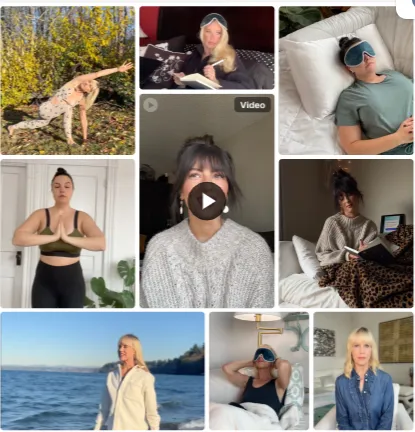
For Mindbloom, we ran a micro-influencer campaign built around real customer testimonials. Selected creators shared personal experiences across social media platforms. The content felt natural in-feed, strengthened trust, and produced assets suitable for both organic distribution and paid social campaigns.
Results
- $1M+ supported through whitelisting and dark posting
- 15+ creators featured in the campaign
- 25% reduction in customer acquisition cost
- 40% increase in referral sign-ups
Prose
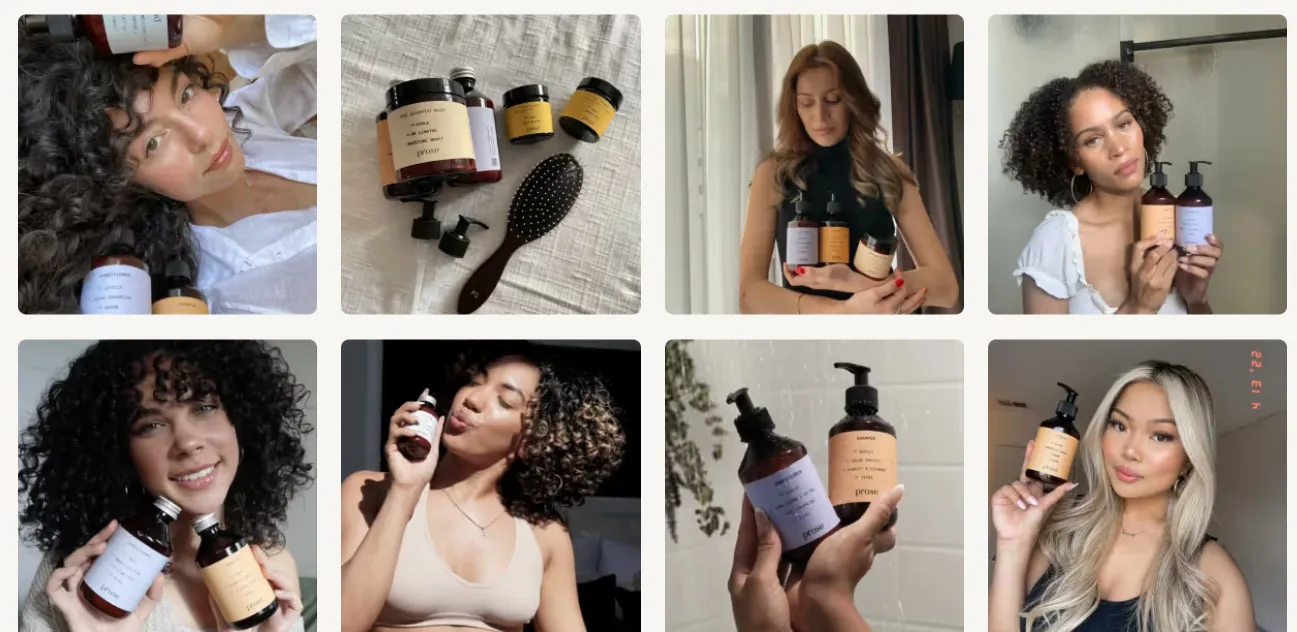
For Prose, we executed a scalable micro-influencer strategy focused on consistent asset creation. Creators produced high-quality product content across social media platforms. The approach supported ongoing high-budget media buying and supplied fresh creative for paid social campaigns week after week.
Results
- 20+ micro influencers activated per campaign
- 100+ creative assets delivered each month for paid campaigns
- 45% year-over-year increase in return on ad spend
- 20% reduction in overall customer acquisition cost
Influencer-Generated Content vs. User-Generated Content
Influencer-generated content and user-generated content mostly get grouped together, but they play different roles in your marketing strategy.
Influencer-generated content comes from social media influencers you select, brief, and align with brand goals. You control messaging, content styles, and distribution. This makes it easier to plan campaigns and predict content performance.
User-generated content comes from UGC creators or everyday customers. Brands may share light guidelines or content prompts, but creative control stays largely with the creator. The content feels organic, though consistency can vary.
As per our experience, you can see the best results when you use influencer-generated content for scale and direction, then layer in UGC creators for social proof. We recommend treating them as complementary rather than interchangeable.
Types of Influencer-Generated Content
Influencer-generated content shows up in many formats across social media platforms, and each type serves a different role in your marketing funnel.
Let’s look at the formats you can rely on most:
1. Sponsored Posts
Sponsored posts are one of the most common forms of influencer-generated content, and for good reason. You work directly with social media influencers to create content that fits their feed while supporting your brand goals.
From our experience, sponsored posts work best when you give creators room to speak in their own voice. We usually use this format for brand awareness, early-stage discovery, and consistent social proof across social media channels.
Here’s an example from one of our clients, Native.
2. Product Unboxings
Product unboxings capture the moment someone experiences your product for the first time. You give creators space to react in real time and highlight details that matter to their audience.
This format performs best when it feels unrehearsed. If you’re launching something new, this is one of the easiest ways to spark curiosity and early conversation.
For example, we created a product-unboxing TikTok video for our client Prose, in which a creator completed the brand’s online haircare survey and unboxed a custom product kit. The walkthrough felt personal and informative. It showed how Prose tailors solutions to different hair types.
3. Tutorials and How-to Videos
Tutorials and how-to videos show how your product fits into real routines. You let creators explain features, share tips, and walk through use cases in a practical way.
We use this format when education plays a role in the buying decision or when a product needs context to shine. It works exceptionally well during the consideration stage of your marketing funnel.
For Dashing Diva, we created a tutorial video where an influencer explained how to use Dashing Diva’s One Gel Magnetic polish. The walkthrough focused on application steps and finish control, which helped viewers feel confident before trying it themselves.
4. Brand Ambassadorships
Brand ambassadorships focus on long-term relationships instead of one-off posts. You work with creators who genuinely use your product and show up for your brand over time. This format builds familiarity and trust faster than single placements.
We prefer using ambassadorships when consistency matters, and you want audiences to associate your brand with the same faces across social media channels.
For our client Hurom, Nick Bosa, an American footballer, is the global brand ambassador. The partnership positions Hurom around performance and everyday wellness through consistent, creator-led content.
5. Giveaways and Contests
Giveaways and contests are designed to spark fast interaction and audience participation. You ask influencers to invite their followers to comment, tag friends, or share content in exchange for a reward.
In our practice, this format works best when the entry rules stay simple. We usually turn to giveaways when engagement rates need a quick lift or when you want to introduce your brand to new audiences without a heavy creative lift.
For example, our client Hopper partnered with Visit Philadelphia on a travel giveaway. Participants followed both accounts and tagged a travel buddy in the comments to enter. The simple entry flow helped increase engagement and extend reach across social media platforms.
Benefits of Using Influencer-Generated Content
Influencer-generated content does more than fill your content calendar. It supports brand awareness, improves engagement rates, and gives your marketing strategy assets you can actually reuse.
From our experience working across different influencer marketing campaigns, these benefits show up consistently when influencers and brand goals align.
Let’s break down why brands keep investing in influencer marketing.
Increased Trust and Credibility
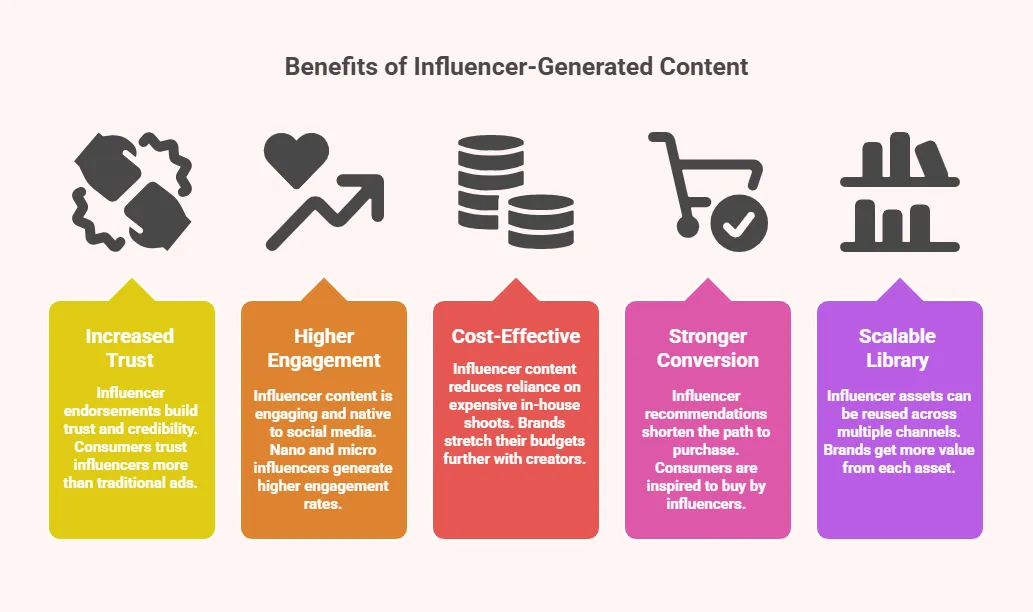
When trusted influencers talk about your brand, that trust carries over. You’re borrowing credibility from someone the audience already listens to, which strengthens brand credibility without sounding forced.
This matters because a majority, 61% of consumers, say they trust influencer endorsements more than traditional ads. Another 69% place even more confidence in product recommendations from influencers they already follow.
Higher Engagement Rates
Influencer content is built for social media platforms. It feels native, scroll-friendly, and easier to engage with than traditional brand ads.
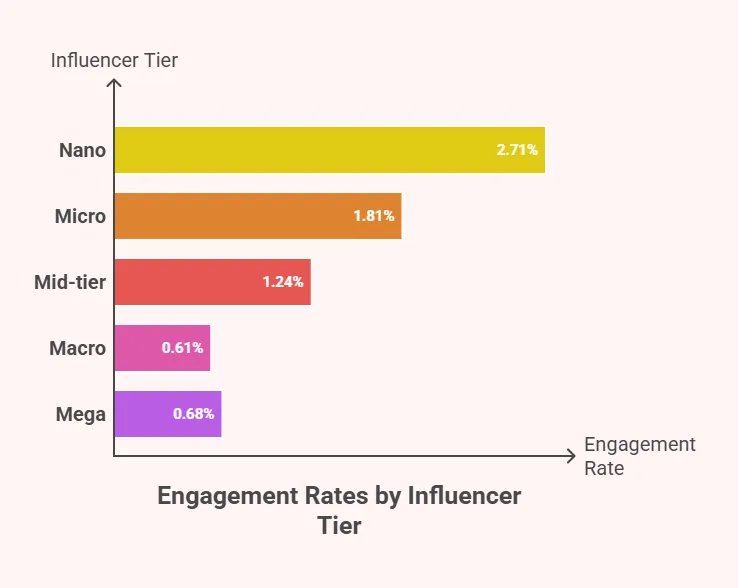
Engagement data consistently shows that nano and micro influencers generate higher engagement rates than macro creators. Nano influencers average 2.71% engagement, while micro influencers average 1.81%. That’s why we usually suggest leaning into smaller creators when engagement is a priority.
Cost-Effective Content Production
You reduce reliance on large in-house shoots. Influencer-led content gives you high-quality assets without heavy production overhead. From what we’ve seen, brands stretch their budgets further when creators handle production.
That efficiency shows up in the numbers, with businesses generating about $6.50 in revenue for every dollar spent on influencer marketing.
Read Next: Influencer Marketing ROI
Stronger Conversion & Purchase Intent
People trust recommendations from creators they follow. That endorsement often shortens the path from interest to action.
We’ve seen this play out across campaigns, and the data support it. About 86% of consumers say an influencer has inspired at least one purchase in the past year. This explains why creator-led content drives real buying decisions.
Scalable Content Library
Once you have influencer assets, you don’t use them once and move on. You can use this content across social channels like Facebook Reels, TikToks, and Instagram Stories, then carry it into paid social ads, landing pages, and email campaigns.
From what we see, brands that plan for reuse get far more value from each asset. That’s why 66 percent of brands say they plan to repurpose micro-influencer content in paid ad formats as part of their strategy.
You build a content library that works across social media channels, paid social campaigns, and future marketing campaigns.
How to Build an Influencer-Generated Content Strategy
Now that you know what influencer-generated content is and why it works, the next step is putting a strategy behind it. A clear approach helps you stay consistent, choose the right creators, and get more value from every piece of content.
Below, we’ve shared the key steps you can follow when building an influencer-generated content strategy.
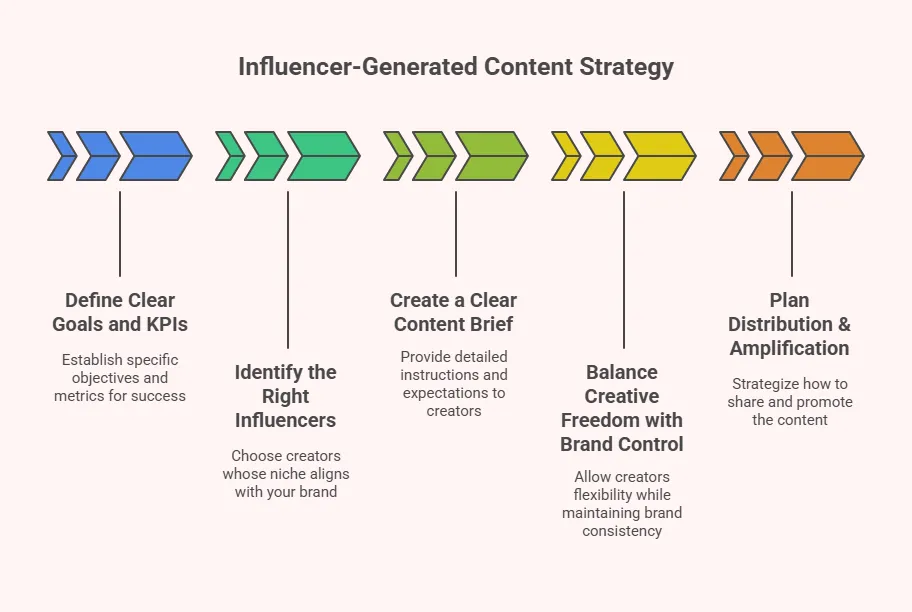
1. Define Clear Goals and KPIs
Before you reach out to creators, get clear on what success actually looks like. Remember that vague goals usually result in scattered content and weak results. That’s why we suggest setting priorities early so every asset serves a purpose.
Start by asking yourself:
- What are you trying to achieve: brand awareness, engagement, or conversions
- Which metrics matter most: reach, saves, clicks, or sales
- How will this content support your broader marketing strategy
When goals stay focused, it becomes easier to brief creators, track content performance, and improve results over time.
2. Identify the Right Influencers
Choosing the right influencers is less about reach and more about relevance. We’ve learned that creators who already speak to your audience deliver more meaningful results than larger accounts with broad reach. It’s worth spending time on fit before you think about scale.
When you’re shortlisting creators, look at:
- How closely their niche connects with your product
- The depth of conversation happening in their comments
- Whether their voice and values match your brand
In our day-to-day work, campaigns perform best when creators feel like a natural extension of the brand rather than a forced placement.
3. Create a Clear Content Brief
A clear content brief sets the tone for everything that follows. You’re not scripting creators, but you are giving them direction. We’ve found that campaigns run smoother when creators know exactly what’s expected upfront.
We usually outline key messaging points, content deliverables, and where the content will be used. From our point of view, clarity here saves time later, avoids revisions, and helps creators produce content that actually supports your brand goals.
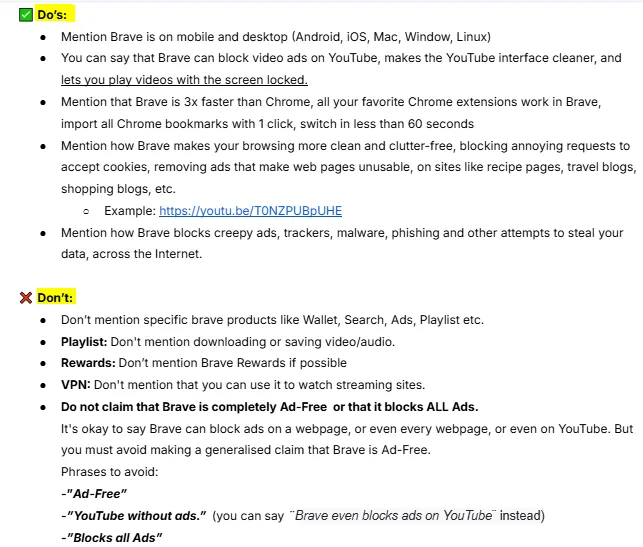
Here’s an example of a detailed brief we created for influencers as part of our client Brave campaign.
Read Next: A Champion’s Guide to Crafting an Effective Influencer Brief (+ Free Templates!)
4. Balance Creative Freedom with Brand Control
Finding the right balance between guidance and flexibility makes a big difference. From what we’ve observed, creators produce their best work when they know what matters most and tell the story their way.
We always lock down:
- Brand guidelines such as logos, colors, and visual do’s and don’ts
- Core messages that need to come through clearly
- Compliance requirements and disclosure rules
- Content usage rights and whitelisting permissions
We intentionally leave flexible:
- How the product is introduced or explained
- The creator’s tone, pacing, and filming style
- Storytelling structure and personal anecdotes
- How creators interact with their audience
Trust us, this approach protects you while keeping content authentic and engaging.
5. Plan Distribution & Amplification
Creating influencer content is only half the work. Where and how you distribute it matters just as much. We have noticed that sometimes even strong content can underperform if it relies only on organic reach. Therefore, we usually plan distribution before the content goes live so nothing gets wasted.
We suggest thinking in two layers:
- Organic reach, where creators publish content on their own social media channels to build trust and spark conversation.
- Paid promotion, where top-performing assets get pushed through paid social campaigns for scale.
From our point of view, the best results come when organic content guides paid decisions. You see what resonates first, then amplify what already works.
How to Measure the Impact of Influencer-Generated Content?
Remember that if you don’t measure performance, you’re only making assumptions. When you track the right metrics, it helps you understand what’s working, what needs adjustment, and which creators deserve more investment.
In our experience working across multiple campaigns, we’ve found that looking beyond likes gives you a much clearer picture of real impact.
Below are the key metrics to consider when evaluating influencer-generated content.
- Engagement metrics: Likes, comments, shares, and saves show how people interact with the content. Strong engagement usually signals relevance and creative fit.
- Reach & visibility metrics: Impressions, views, and follower growth tell you how far the content travels across social media platforms.
- Conversion & performance metrics: Clicks, sign-ups, sales, and ROI connect influencer content to your real business outcomes.
- Brand lift & sentiment: Trust, recall, and audience perception help you understand how content influences brand credibility over time.
- Platform-specific analytics tools: Social insights, UTM tracking, and influencer platforms make it easier to track content performance and compare results across campaigns.
Create High-Performing Influencer Content with inBeat Agency
Influencer-generated content works best when it’s treated as a system. When you choose the right influencers, give them clear direction, and plan distribution early, content becomes easier to scale and measure. With the right strategy in place, influencer-generated content becomes a repeatable growth channel you can plan, measure, and scale over time.
Key takeaways
- Influencer-generated content combines authenticity with strategic brand control
- Clear goals help influencers produce content that supports real outcomes
- Niche relevance matters more than follower count
- Strong briefs reduce revisions and improve content quality
- Creative freedom works best with clear brand guardrails
- Planning distribution early increases content performance
- Measurement should go beyond likes to track real impact
- Repurposing content extends value across channels
If you want influencer-generated content that fits your brand guidelines and performs across organic and paid channels, inBeat Agency can help. Our team works with micro and nano-influencers to create high-quality content designed for scale, performance, and reuse.
Book a free strategy call now and see how influencer-generated content can support your next campaign!
FAQs
What makes influencer-generated content authentic?
Influencer-generated content feels authentic when creators tell real stories in their own voice. Authenticity always comes from personal experience, honest opinions, and natural storytelling rather than scripted brand messaging.
How to repurpose influencer-generated content?
You don’t need to use influencer content once and move on. You can repurpose it across social media channels, paid social ads, landing pages, and email campaigns. Repurposing influencer-generated content helps you get more value from each asset and build a scalable content library.
What are the 4 types of influencers?
Influencers are commonly grouped by follower count:
- Nano influencers: 1K–10K followers with highly engaged, close-knit audiences
- Micro influencers: 10K–100K followers who balance reach and strong engagement
- Macro influencers: 100K–1M followers with broader visibility
- Mega influencers: 1M+ followers, often celebrities with mass reach
How does inBeat select influencers for a campaign?
We work with a vetted network of micro and nano influencers. Creators are selected based on niche relevance, audience quality, engagement patterns, and brand fit rather than follower count alone.
Can inBeat handle influencer-generated content end-to-end?
Yes. Our team manages the full process, from creator sourcing and briefing to content creation, approvals, and distribution across organic and paid social channels.
How is inBeat different from a traditional influencer marketing agency?
We combine micro-influencer marketing with performance creative and paid media. This approach helps us turn influencer content into measurable results.