%20(1).png)

If the 2010s were the age of influencers rising to prominence, the 2020s represent the era of creators. But they’re not just simple creators. In 2026 and beyond, the creator economy is done playing small, waiting for platform payouts or chasing viral crumbs.
Creators are building their own tables as they’re launching brands, owning their IP, and cashing in on what they built from scratch: attention, trust, and community. The power has officially shifted. This isn’t influencer marketing 2.0 but actually the rise of the creator as CEO.
Here’s more on the 7 biggest shifts shaping creator success this year, and what they mean for you, so you can adapt fast.
P.S. Building in the creator economy takes more than just followers; it takes the right partnerships and strategy. inBeat Agency helps you monetize authentically and sustainably, with insights trusted by 250+ creators and brands. Start with a free strategy call today!
The State of the Creator Economy in 2025
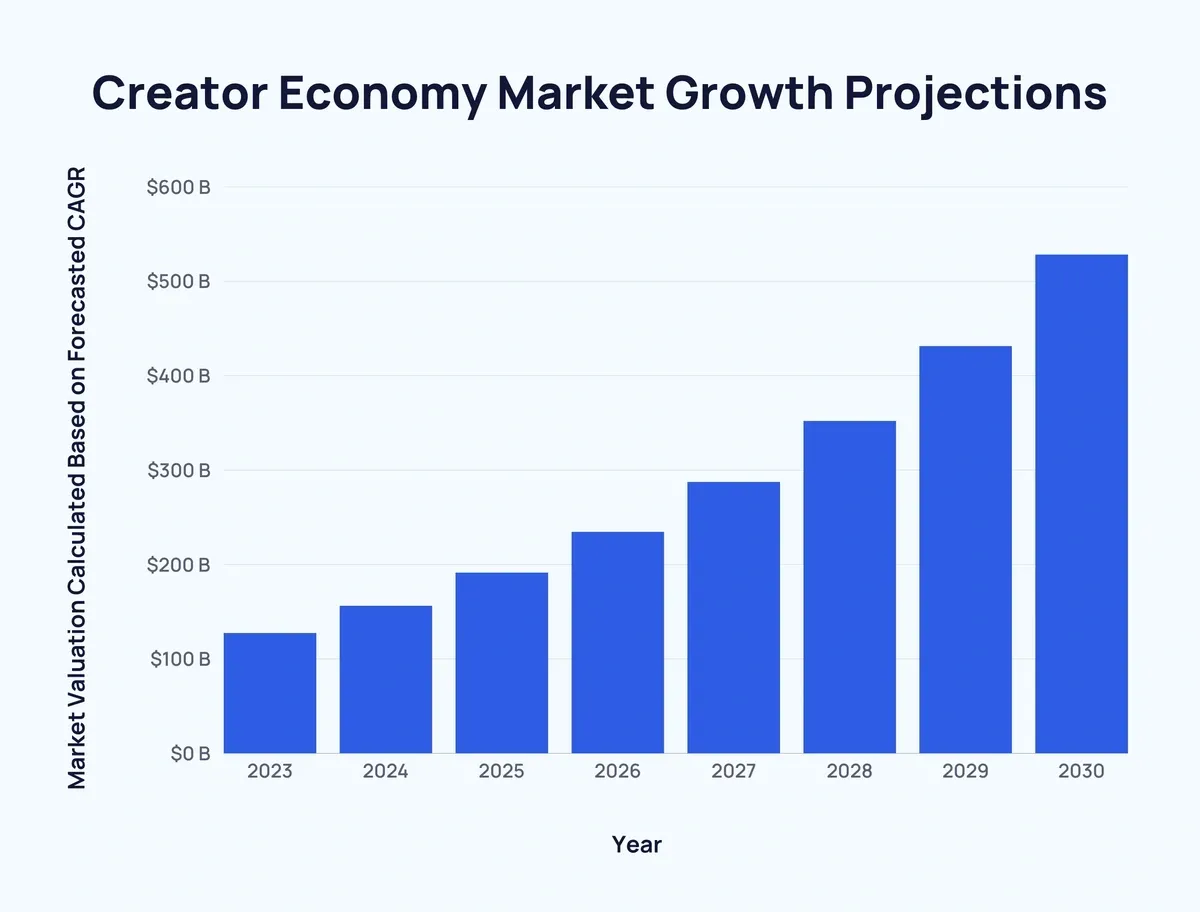
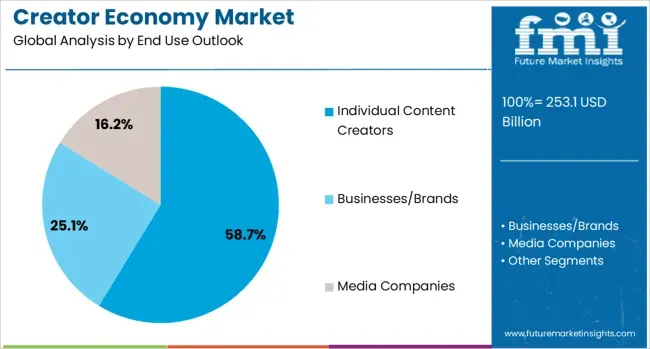
The creator economy is estimated to be worth around $253 billion worldwide, says Future Marketing Insights. Analysts expect it to soar past $2 trillion by 2035, growing at a steady 23% a year. These are pretty good numbers for an industry built on creativity, community, and a lot of late-night editing sessions.
There are now more than 207 million active content creators across the globe. But here’s the catch: only about 4% of them make over $100K a year. For most, it’s still a grind, aka passion-fueled work with inconsistent paychecks.
It seems that video, especially short-form, is driving this massive growth. According to Future Marketing Insights, quick, punchy clips dominate about 30% of the platform market share. And with 91% of creators using AI tools to speed up production, content is multiplying like never before.
You can check this video to get a better understanding of the creator economy:
When it comes to making money, creators are diversifying their revenue streams, combining ad revenue, subscriptions, merch, online courses, and digital products. But brand deals still lead the charge, especially on YouTube and TikTok.
In fact, according to Marketing LTB, creator-led campaigns on these channels consistently outperform traditional ads in engagement and ROI.
Overall, the creator economy is reshaping how people make money online, how brands connect with audiences, and how communities form around ideas, not institutions.
Here’s an overview of the creator economy numbers in 2025:
- Global market value: $253B (Future Marketing Insights)
- Projected 2035 market size: $2.05T (Future Marketing Insights)
- CAGR (2025–2035): ~23.3% (Future Marketing Insights)
- Active creators: 207M+ (Marketing LTB)
- Creators earning >$100K/year: 4% (inBeat Agency)
- Short-form video share: 30% (Future Marketing Insights)
- AI adoption among creators: 91% (Music Tech)
- Top platforms for ROI: YouTube, TikTok (Marketing LTB)
Now, let’s take a closer look at the main trends currently defining the creator economy.
Trend 1: Ownership Is Everything – The Rise of Creator Equity
One of the clearest shifts in the creator economy is the move from influencer-for-hire to business owner. The days of creators just getting paid per post are fading fast.
Now, they’re stepping into roles as shareholders, co-founders, and IP (intellectual property) owners, taking real stakes in the brands and projects they build.
In fact, their projects become sustainable careers with skin in the game.
Many are launching their own business, from fashion lines and food brands to full-fledged startups. With tools like AI automation, no-code platforms, and digital storefronts, creators can now build businesses around their audiences faster and cheaper than ever before. You’d think these are vanity projects, but they’re rather community-backed ventures with serious growth potential.
Additionally, recent changes to content legislation in 2025 are giving creators stronger protections over their content, making it easier to retain licensing rights and secure fair compensation, especially in streaming and digital distribution.
That means more creators are keeping control of their catalogues, not signing it all away for short-term deals.
Examples of Creators Turned into Business Owners
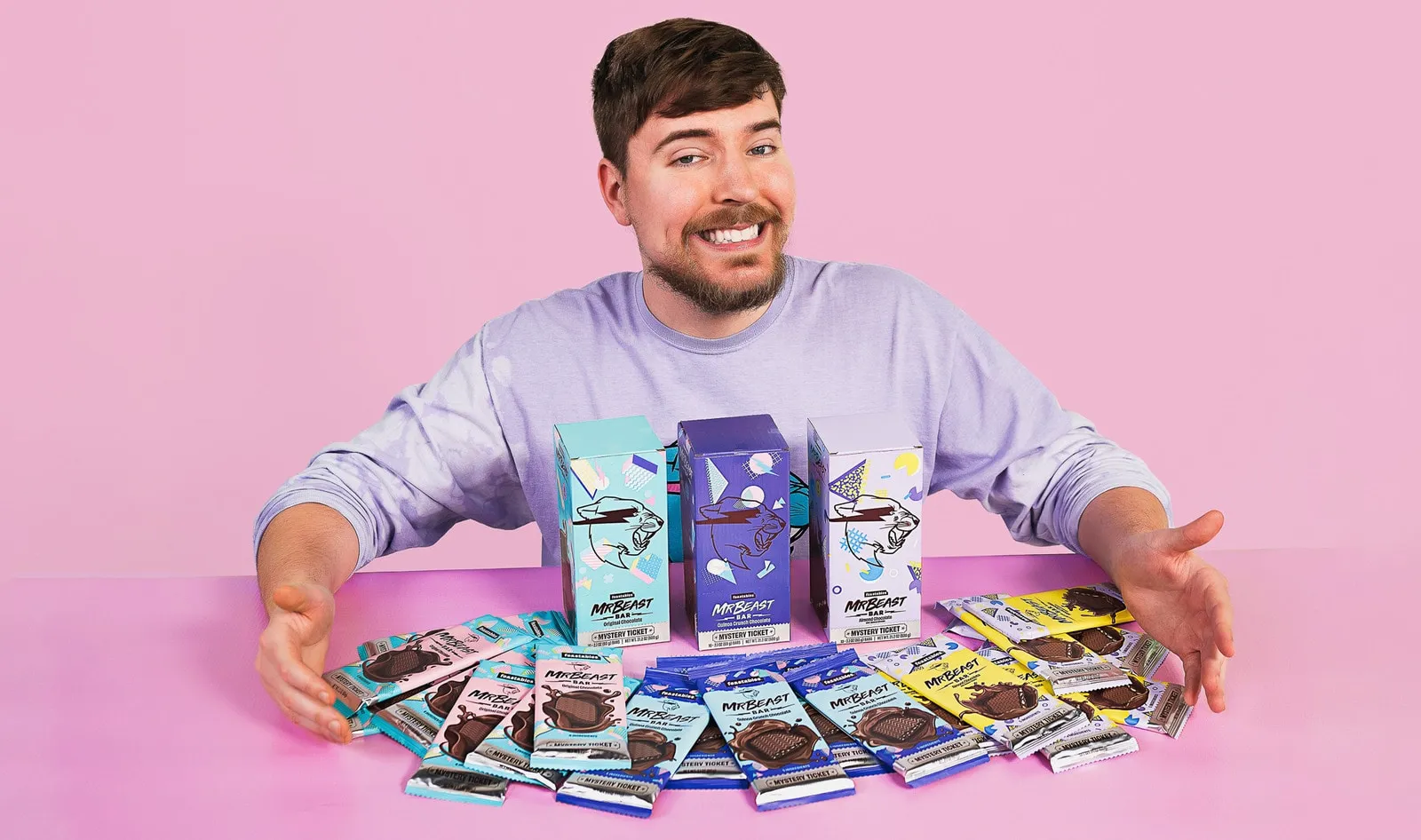
The notorious MrBeast has expanded far beyond his YouTube channel, running his own production companies and owning the IP behind his content franchises. He basically leveraged the attention economy and built an empire.
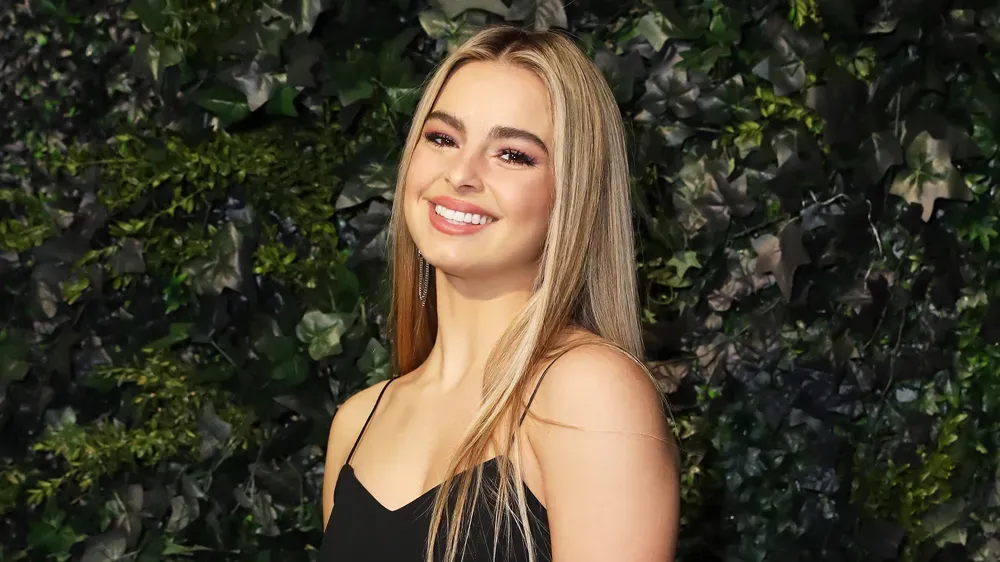
Addison Rae has evolved from influencer to entrepreneur, launching music ventures and co-founding product lines that she partially owns.
Across industries, from fashion to snacks to beverages, creators are now negotiating equity alongside cash, this way, benefiting from long-term brand success.
Meanwhile, platforms like Uscreen are giving creators real ownership. Instead of algorithms and ad revenue, creators own their distribution and can launch white-labeled apps and subscription hubs while keeping the majority of revenue and control.
Even creator-focused startups and agencies are catching the wave, being snapped up by private equity firms and media conglomerates who see the creator economy as the next big growth frontier.
Trend 2: Niche Is the New Scale
Mega-influencers may have millions of followers, but it’s the niche creators who are driving real results for brands this year. They’re stealing the show because they spark real conversations, instead of just getting likes.
Numbers show that smaller creators, especially nano and micro-influencers (under 100 K followers), gain significantly higher engagement rates (3.8%–5%) than mega-influencers (reaching on average 1%).
That’s thanks to their closely connected audiences.

The main reason behind it is that most niche creators come across as relatable and genuine, and their recommendations don’t feel like ads.
Plus, these people build communities around the things they genuinely love, whether that's plant-based cooking, vintage gaming, or anything else. This makes all the difference in whether a campaign truly lands.
Take Leslie Ynoa, a lifestyle and fashion influencer whose Instagram presence blends elegance with everyday practicality. Her content highlights modern style, travel, and accessories in a way that resonates with a wide, engaged audience.
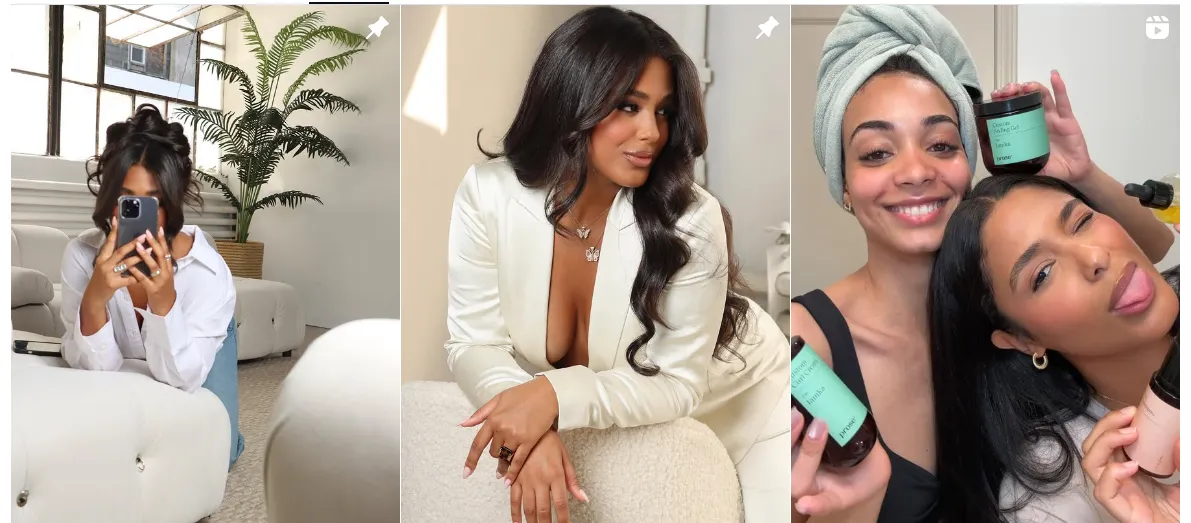
Our client Bandolier chose to collaborate with her because her profile embodies the brand’s ethos: sophisticated yet functional fashion, making her a natural fit to showcase products that merge utility with design.
Instead of chasing one-off impressions, brands that choose to team up with niche creators see long-term benefits in our experience.
When you partner with someone whose audience trusts them deeply, you're getting more than exposure. You're getting genuine advocacy, and that kind of connection doesn't fade after one post.
“Niche Creators” Are Becoming the New Powerhouses
JeanCarlo Leon, known on both TikTok and YouTube, began as a modest voice in the fitness and lifestyle scene. His rise was fueled by his active role in the tight-knit Privé Crew, a content collective that emphasized connection and authenticity. He regularly shares relatable posts, engages deeply with his audience, and cultivates a loyal fanbase that has steadily expanded as his credibility and influence have grown.

Trend 3: Community Becomes the Product
Building a community has actually become the core product for many creators. As creators are becoming entrepreneurs and ecosystem builders, the most successful ones are those who treat their audience like partners instead of mere viewers.
This trend has led to new ways of monetization. Ads and sponsorships are still heavily used, but creators have been adding more options that are easily noticeable to everyone who spends time online.
More and more creators are offering memberships, exclusive content, live workshops, and premium access. If you go on Patreon, Substack, or Discord, you’ll see how these platforms have become hubs for these community-first models. Fans pay for the simple idea of being a part of a community.
As expected, brands have been catching on to this trend, too. Instead of just throwing money at influencers with massive but scattered audiences, they’ve started to partner with creators who have loyal, engaged communities. The ROI is better, the feedback is sharper, and the brand affinity runs deeper.
How Community-Led Models Are Becoming the Creator Product
As an example, Lowe’s is backing a network of DIY creators to build businesses alongside their audiences. Other creator-led startups are launching SaaS platforms that blend education, commerce, and community. Plus, more private apps are popping up where members pay for curated experiences and insider access.
Here’s how Jack Conte, CEO of Patreon, highlights community as the core product in creator platforms:
"We're expanding beyond membership and we're thinking of ourselves more now, not as a membership company, but as a creator company, as a fandom company, as a company that helps creators and their fandoms build energized communities and be successful."
Trend 4: AI Co-Creation – From Threat to Partner
From editing videos to planning social content, AI is becoming a behind-the-scenes partner that helps creators, companies, and advertising agencies scale more easily.
You can rely on AI-powered tools to cut down the time it takes to produce polished videos, write captions, and schedule posts. For instance, you can generate complete video scripts in seconds, then refine them using AI editing or AI detector to remove the robotic tone and add your own voice, making the content more natural, engaging, and persuasive. Many creators now use AI-driven video animations to turn ideas, scripts, and static assets into dynamic visual content that performs better across short-form platforms. You basically automate the admin and repetitive tasks, freeing up time for strategy and storytelling.
Many companies use AI to analyze campaign performance faster, match with the right creators, predict audience behavior, and speed up content production for their teams.
Instead of handling tedious reporting and creative experimentation manually, you can use AI to speed up decision-making and refine brand messaging across channels.
But even with the help of all these automation tools, trust and authenticity matter more than ever. If you want to truly build lasting relationships with your audiences, you should use AI transparently but still stay true to your voice.
In practice that means editing what the tools produce, and a humanizer AI helps strip the generic phrasing out of a caption or script so it still sounds like the creator behind the account.
In other words, you need to pair automation with honest communication and human insight.
Trend 5: Revenue Diversification Becomes Survival
From the outside, it might look like creators are just stacking new income streams because it’s trendy. But for companies watching the creator economy, this shift matters in ways that go beyond how any individual influencer gets paid.
For many creators, depending on one platform or one revenue source is viewed as a liability. Algorithms shift, ad rates fluctuate, and platforms change the rules with almost no warning.
So creators are spreading their income across:
- Subscriptions
- Brand partnerships
- Education products
- Events
- Digital goods
They’re trying to build stability. But the ripple effects land directly on the companies working with them.
For brands, this diversification has three big consequences.
- First, creators are becoming more resilient. That changes negotiations. A creator who has three or four revenue streams is less likely to take underpriced deals, rush content, or bend their voice to please advertisers. They’re operating more like small media businesses than gig workers.
- Second, diversification gives brands more ways to collaborate. Instead of a single sponsored post, companies can now integrate with premium communities, live events, courses, newsletters, digital products, and even subscription experiences. That opens the door to deeper partnerships, not just exposure buys.
- Creators are building better business fundamentals. They understand first-hand how to increase lifetime value and conversion rates. This makes campaign planning easier for companies because creators can share real sales data, too. Also, they can help co-create marketing messages that increase ROI.
Thus, brands are partnering with creators who have stability, clearer business goals, and deeper relationships with their audiences.
Revenue Diversification: How Top Creators Build Multi-Stream Income
Productivity educator Ali Abdaal has built a suite of online programs, including Part‑Time YouTuber Academy and Notion for Students. Both center on mastering workflow design through Notion.
His courses integrate ready‑made templates, guide learners step‑by‑step in creating personalized workspaces, and emphasize hands‑on practice with the platform. Since he’s collaborating directly with Notion, Abdaal ensures the software remains a branded, integral element of his teaching model.
Trend 6: Creator Agencies, Studios, and Cooperatives Are Reshaping the Game
As the solo creator grind is hitting its limits, there has been an explosive growth of creator agencies, production studios, and cooperative networks.
When you're flying solo, negotiating with major brands can feel like bringing a knife to a gunfight. Agencies level the playing field. But most creators didn't start their channels because they loved managing contracts, optimizing ad revenue, or handling production logistics. They started because they had something to say or create.
Studios step in to handle the entire production pipeline, from content strategy and filming to editing and distribution across multiple platforms. This lets creators do what they're actually good at: creating.
Cooperatives are taking a different but equally powerful approach. Creators no longer compete in isolation, but instead are joining forces and pooling their audiences and resources to tackle bigger opportunities. When you're negotiating as a group of 20 creators versus one individual, you’ll have totally different conversations with brands and platforms.
For companies, this means you’re getting reliability and infrastructure.
Working with a cooperative or agency reduces the chaos that used to define creator partnerships. Instead of chasing down deliverables across dozens of creators, brands get a single point of contact, unified reporting, consistent quality control, and predictable timelines.
Plus, in terms of finances, influencer marketing isn't some experimental side channel anymore. Brands now see influencer marketing as essential, so they're pouring money into creator partnerships.
The outcomes for brands include increased competition, but also potentially higher ROI, smoother campaigns, and safer bets in a crowded digital landscape where attention is everything.
Creator Agencies and Studios: How Colin & Samir and Jellysmack Scale Creators
Colin and Samir’s Creator Lab offers creators real insights into how this industry actually works. They're building a community through their podcasts, newsletters, and events like the Press Publish summit, where creators can connect and learn from each other.
What sets them apart is their focus on substance over virality.
They help creators develop their brands through genuine storytelling and authentic content. They're also thinking globally, with plans to bring their summits to cities like Mumbai and Mexico City, connecting creators across different markets and cultures.
Jellysmack takes what's already working for creators and amplifies it on a global scale. They dig into the data to figure out which videos are genuinely resonating with audiences. Then they get those pieces of content in front of way more people across every major social platform.
But they’re also adapting content for different markets: translating videos into multiple languages, tweaking them to fit local cultures, and optimizing them for how people consume content on each specific platform.
Plus, the Jellysmack team manages monetization strategies and negotiates brand deals.
Trend 7: Social Commerce – Creativity Meets the Checkout Button
Social commerce taps directly into what creators already do best: build loyal audiences and influence buying behavior. Creators can now drop shoppable links, run live shopping streams, or host in-app storefronts right inside their favorite platforms.
That’s way more convenient than the older option of sending fans to outside websites. Viewers can scroll, watch, and buy in one seamless experience.
Apart from convenience, this evolution marks the shift from traditional ads to authentic influence. It’s part of newer advertising strategies for e-commerce that blend community-driven marketing with creator-first monetization.
Plus, with the rise of AI-powered tools and even virtual influencers, creators now have smarter, faster ways to turn engagement into income.
And since they weave e-commerce directly into content, creators can move beyond one-off sponsorships and diversify their earnings through direct product sales and brand collaborations anchored in genuine community trust.
Here’s a thought from Zarnaz Arlia, Emplifi CMO, related to creators' central role in social commerce:
"Today, we are seeing an incredible transformation in the world of commerce, largely due to the rising power of social commerce and the vibrant community of creators. These creators aren’t just on the sidelines. They’re at the forefront, reshaping the core of our social commerce journeys, and the best part is that this trend isn’t slowing down anytime soon."
In short, creators earn more, brands connect more authentically, and audiences shop more easily, without ever leaving the platform. Everything suggests it’s the new backbone of the modern creator economy.
Unsure How to Apply the Latest Creator Economy Trends? Let inBeat Help You Turn Them Into Growth
Knowing the current trends in the creator economy isn’t enough. For the most part, the challenge is applying them in a way that actually drives growth and builds a sustainable brand.
That’s where inBeat Agency comes in. We help creators, brands, and agencies turn these trends into action and results. Whether it’s scaling authentic content through UGC, testing new revenue streams, or optimizing creator partnerships for measurable impact, our network and performance-first approach make it happen.
We’ll help you implement what’s next in the creator economy strategically, creatively, and efficiently.
Ready to turn trends into traction? Reach out to inBeat Agency and start building your next growth engine.
FAQs
What is the current state of the creator economy?
The creator economy is growing fast, driven by content creation on social media platforms, rising Gen Z audiences, and stronger community builders. Brands are investing more in influencer partnerships, affiliate marketing, and user-generated content while creators explore new strategies, including artificial intelligence and diversified revenue streams.
How much is the creator economy worth?
Estimates place the content creator economy in the hundreds of billions, fueled by advertising revenue, influencer fees, and the expansion of social media. Growth continues as creators adopt AI tools and community-driven models that deepen brand loyalty and strengthen monetization opportunities.
What is the difference between the creator economy and the gig economy?
The gig economy focuses on task-based, one-off jobs, while the creator economy centers on building long-term audiences, communities, and creator strategies across social media. Creators earn through user-generated content, affiliate marketing, and influencer partnerships rather than short-term labor.
Is the creator economy sustainable?
Yes. Also, its sustainability improves as creators move beyond advertising revenue and adopt community-led business models. With diversified income streams, stronger brand loyalty, and smarter use of AI-generated content, creators can build continuous relationships with their audiences and reduce reliance on a single platform.