.svg)
.svg)
.svg)
.svg)


.svg)




%20(1).png)

Luxury brands are under more pressure than ever to prove that every marketing dollar is driving real returns. Meta and Google ads keep getting more expensive, and traditional brand campaigns aren't delivering the efficiency they once did.
The answer is influencer marketing.
This tactic is relationship-driven, audience-led, and built on credibility. As such, it’s a powerful performance channel for luxury brands heading into 2026.
Yet, luxury marketers continuously ask the same question:
How do we make influencer marketing profitable?
Modern audiences crave social proof, aesthetic storytelling, and authenticity. Few marketing strategies speak to these core needs quite like influencer marketing.
But most luxury brands are still overspending on the wrong influencers, relying on vanity metrics, or running one-off campaigns that fail to move the needle. In fact, 67% of companies say measuring influencer ROI is their biggest challenge.
This article breaks down five strategies luxury brands can use to crush their goals in 2026, and to-dos for assessing the true value of your influencer marketing campaigns. Let’s dive into what you can do to turn influencer marketing into one of your highest-ROI channels this year and prove it.
Pro tip: Before scaling spend, audit your creator mix. A few high-fit micro-influencers will outperform one overpriced macro every time. If you want help finding and managing those creators, book a strategy call today.
TL;DR
1. Tell Aspirational Stories: Luxury brands win when influencers create stories that highlight lifestyle, heritage, and craftsmanship to help people imagine a better version of themselves.
2. Work With Micro & Nano Influencers: Smaller influencers have loyal, niche audiences and feel more trustworthy. They also cost less, and often lead to stronger engagement and higher ROI.
3. Use Instagram as Your Main Platform: Instagram’s visual format beautifully showcases products, and its primary audience represents 35% to 50% of the luxury market, making this platform the best place for luxury content.
4. Build Long-Term Influencer Relationships: Long-term partnerships build trust by turning influencers into true brand ambassadors. They also lower content costs over time, while strengthening brand identity and customer loyalty.
5. Use AI & Data to Choose the Right Influencers: AI tools and data help brands find creators with the right audience and avoid fraud. This reduces risk and ensures partnerships protect the brand’s reputation while delivering the most powerful impact.
6. Use Virtual Influencers for Luxury Brands: Virtual influencers help luxury brands control every aspect of visual storytelling while reaching younger, tech-forward audiences. They deliver polished, futuristic content, operate across markets without logistical limits, and keep brand consistency flawless.
7. Leverage Exclusive, High-Touch Influencer Experiences: Luxury brands win when influencers are invited into rare, behind-the-scenes moments. These experiences spark richer storytelling, deepen brand equity, and create content that feels truly exceptional.
7 Influencer Marketing Strategies for Luxury Goods
Luxury audiences are loyal, selective, and driven by social proof. Use these seven strategies to partner with the right creators, shape premium brand stories, and scale performance with confidence.
1. Prioritize Aspirational Storytelling
Storytelling sits at the heart of social media for luxury brands.
The most successful influencer marketing campaigns for luxury brands invite audiences into aspirational worlds where products become symbols of a coveted lifestyle. Aspirational storytelling transcends traditional product promotion by creating narratives that bridge the gap between consumers' current reality and their ideal selves. Instead of selling items, luxury brands sell dreams and possibilities through carefully crafted stories.
And when implemented through influencers, these stories gain authenticity and reach.
Take The Gstaad Guy's approach with Loro Piana. This satirical influencer is known for his exaggerated portrayal of old-money European elegance. Despite the comedic tone, his content resonates deeply with affluent and aspirational audiences because it taps into the cultural codes of wealth, discretion, and heritage.
@gstaadguy This is not financial advice #GstaadGuy #Cashmere #LoroPiana #Gold #Finance ♬ original sound - Gstaad Guy
In a collaboration with Italian luxury house Loro Piana, he didn’t simply showcase the garments or highlight product features. Instead, he elevated the brand’s core material by declaring that “cashmere is more valuable than gold.”
That single line reframed the product as an emblem of quiet luxury, positioning it not only as a premium material but as a symbol of refined taste and generational wealth.
That’s basically what aspirational marketing is.
Aspirational marketing powerfully connects with luxury consumers because it taps into fundamental human psychology and people’s ability to envision better futures for themselves. This psychological hook creates a substantial business impact.
In fact, customers with emotional connections to brands have 306% higher lifetime value than those without. And aspirational content drives purchasing behavior, especially among younger demographics.
Besides, according to Marketing Dive, 85% of Gen Z are influenced by social media when making purchases, with 45% of them naming Instagram and TikTok as the most influential.
How To Implement Aspirational Storytelling In Influencer Campaigns
- Focus on immersive experiences rather than static content. Create or suggest memorable events and activities for influencers that generate natural storytelling opportunities.
- Emphasize craftsmanship and heritage in your creative briefs. Give influencers storytelling assets like artisan interviews or behind-the-scenes access that highlight your brand’s history, quality, and creativity.
- Choose influencers who embody your aspirational world. Partner with creators whose aesthetic and lifestyle naturally align with your brand values.
2. Partner with Micro & Nano Influencers
When it comes to luxury influencers, bigger isn't always better. The value of the global influencer marketing market has reached an estimated $32.55 billion as of 2025, but a significant portion of this revenue is flowing toward micro- (10,000 - 100,000 followers) and nano-influencers (500 - 10,000 followers).
From our experience, niche luxury influencer marketing works better when brands are partnering with creators who have smaller but highly engaged audiences.
For example, Chanel partners with several micro-influencers, like Rebecca Longendyke, with 74.700 followers at the time of this writing.
Micro-influencers excel at speaking to targeted demographics because their content feels less promotional and more personal. Unlike working with high-caliber influencers, you’ll prioritize audience quality over quantity here.
The numbers tell a compelling story about the effectiveness of micro influencers:
- Micro-influencers achieve engagement rates between 5-20%, significantly outperforming the 1-3% typical for macro-influencers.
- An impressive 82% of consumers report being highly likely to follow a micro-influencer's product recommendation.
- Campaigns leveraging micro-influencers generate approximately 20:1 ROI compared to roughly 6:1 for campaigns using macro-influencers.

But this strategy hinges on finding influencers whose personal aesthetic aligns perfectly with your brand values.
These creators act as modern-day tastemakers, speaking to audiences in ways that feel intimate and authentic. Even during economic downturns, luxury brands can continue leveraging these influencers to expand their reach, create connections, and establish genuine trust that translates into purchases.
How to Use Micro & Nano Influencers for Luxury Brands
- Prioritize exclusivity over volume. Give smaller creators early access, private previews, or limited-edition experiences that feel premium and invite authentic storytelling.
- Use them for credibility, not mass reach. Micro and nano influencers drive trust, which matters more than impressions in luxury. Highlight craftsmanship, heritage, and behind-the-scenes details.
- Co-create content formats that feel elevated. Think aesthetic unboxings, styling sessions, boutique walkthroughs, or artisan features instead of generic promo videos.
- Leverage their community intimacy. Smaller creators spark true conversation. Use them for “why it’s worth it” narratives, lifestyle integration, or high-touch Q&As.
- Pair paid + organic. Whitelist their best performing content to scale luxury-appropriate creative without losing authenticity.
3. Use Instagram as Your Visual Hub
Instagram stands as the undisputed champion for luxury brand influencer marketing. The platform’s visual nature allows influencers to showcase luxury products through curated Reels, Stories, and in-feed posts that merge art, fashion, and storytelling.
As a result, it has naturally evolved into the premier platform for luxury influence, with luxury consumers engaging with content at rates three times higher than average Instagram users.
This heightened engagement creates fertile ground for brand affinity to take root.
Instagram's demographic composition and fundamentally aspirational character make it exceptionally effective for luxury influencer partnerships. Millennials and Generation Z make up about 60% of the platform's audience and account for 35% to 50% of the luxury market, with an upward trend.
And nearly 130 million users tap on shoppable posts every month, creating direct pathways from aspiration to purchase.
Here’s a good example:
3 Tactics To Optimize Your Instagram Campaigns For ROI
These three optimization strategies can help maximize return on investment with Instagram influencer campaigns:
- Prioritize quality over quantity in your posting strategy. Post only when the content is truly exceptional. This means it delivers striking visuals, communicates a clear luxury narrative, compellingly highlights craftsmanship, or provides unique access or storytelling that followers cannot find elsewhere. Precision in content delivery cultivates an aura of exclusivity that reinforces brand prestige.
- Embrace Instagram's diverse content formats strategically. Instagram Reels are particularly powerful for luxury marketing because these short films showcase craftsmanship effectively. In general, short and long form videos typically outperform static editorial shots.
- Track meaningful engagement metrics that go beyond the superficial numbers. For luxury brands, deep brand connections usually yield greater long-term value than broad visibility. Focus on relationship-building metrics, such as comment quality, repeat interactions, saves, shares, DM inquiries, and community conversations, that signal genuine audience investment.
4. Maintain Influencer Partnerships Long-Term
"A long-term influencer program will allow your brand to create true brand advocates, powerful brand evangelists, and raving fans." — Tamara McCleary, CEO at Thulium, recognized influencer marketing strategist
Brands that maintained influencer relationships for at least 12 months experienced a remarkable 300% increase in engagement compared to short-term collaborations.
From our experience, these sustained relationships create substantial financial benefits alongside an increased audience connection.
Nike’s long-term collaboration with NFL quarterback Colin Kaepernick illustrates the power of maintaining partnerships over time. What began as a bold, values-driven campaign transformed into a lasting partnership that connected Nike with a wider cultural movement representing Black Americans.
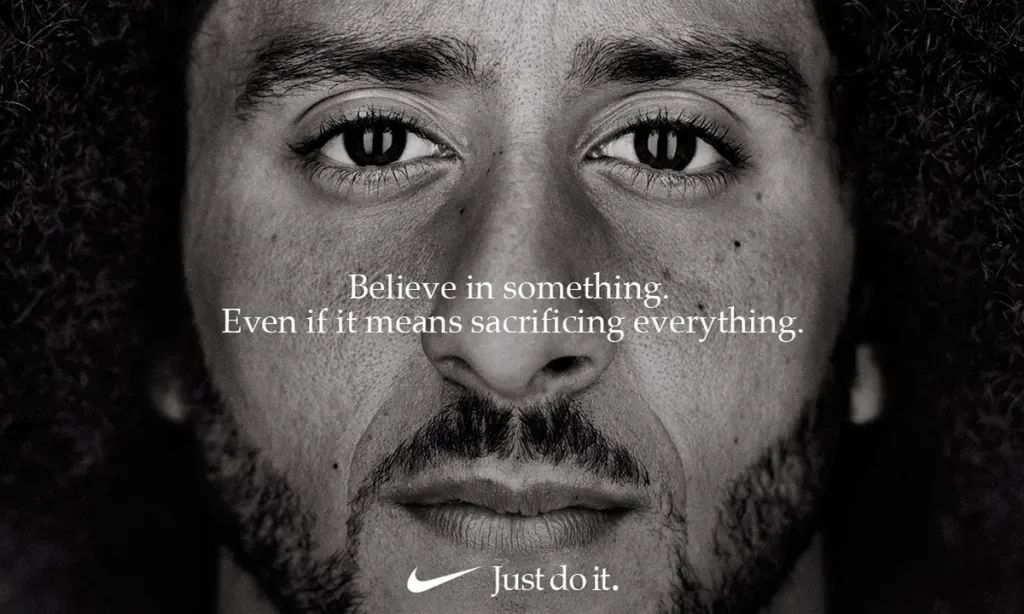
The initial ad generated nearly $6 billion in market value within its first month and ultimately contributed more than $26.2 billion within 14 months of establishing a long-term partnership.
By consistently reinforcing its stance through ongoing collaborations with Kaepernick, Nike:
- Strengthened brand loyalty
- Deepened emotional resonance with its core audience
- Showcased how committed, purpose-led influencer relationships can drive both cultural relevance and extraordinary financial returns.
Singular influencer posts may generate momentary visibility, but they seldom build credibility or deep consumer trust.
Both of these are essential for premium brands. Long-term partnerships transform influencers from paid advertisers into genuine brand advocates, helping followers view their content as authentic endorsements rather than paid advertisements.
Repeated collaborations also create ongoing exposure that keeps your brand top of mind for highly relevant audiences.
Ultimately, sustained partnerships can deliver consistent messaging across multiple touchpoints and timeframes, reinforcing key narratives and echoing your brand’s values in ways that one-off collaborations simply cannot achieve.
How to Create Long-Term Influencer Partnerships for Luxury Brands
- Build exclusivity tiers with escalating perks. Offer long-term ambassadors early access to limited editions, private showroom visits, atelier tours, or first rights to new launches. These are things that regular creators never get.
- Develop “heritage fluency” with your partners. Train long-term influencers on your brand’s craftsmanship, materials, archive pieces, and brand codes. Luxury creators leverage this knowledge to produce deeper, more authentic storytelling.
- Use recurring signature formats. Instead of one-off sponsored posts, build a recognizable series (e.g., “Monthly Styling Ritual,” “How It’s Crafted,” “Collector’s Spotlight”) that becomes synonymous with both the creator and your brand.
- Integrate influencers into offline luxury moments. Invite long-term partners to VIP client events, boutique openings, capsule drop previews, or fashion-week experiences so they capture the real luxury ecosystem.
- Let top partners influence product direction. Bring your core creators into concept reviews, upcoming collection feedback loops, or capsule advisory sessions.
5. Use AI & Data for Influencer Selection and Fraud Detection
Using AI in your influencer marketing starts from influencer selection to content creation, campaign adjustments and even virtual influencers.
Selecting the right partners for influencer marketing requires more than intuition or a cursory glance at their follower count. The influencer selection process should evaluate potential partners based on:
- Engagement quality
- Audience demographics and lack of fake followers
- Historical campaign outcomes
Using AI in your influencer marketing process can reduce influencer vetting time by up to 70%.
In fact, data-driven selection delivers substantially higher returns primarily because it focuses on finding the right target demographic rather than just the biggest audience. Taking this approach allows you to create smarter partnerships that drive more organic engagement.
Even more importantly, data analysis helps luxury brands avoid potentially damaging partnerships. That’s particularly crucial in the premium sector where prestige and reputation are paramount.
6. Tap Into Virtual Influencers for High-Concept Luxury Campaigns
Virtual influencers are becoming powerful assets for luxury brands because they allow for total creative control, consistent brand alignment, and scalable storytelling across markets. These computer-generated characters are designed with flawless aesthetics, distinct personalities, and world-building narratives.
Pro tip: These are all elements luxury audiences respond to.
And unlike human creators, virtual influencers operate without the constraints of scheduling, geography, or personal reputation risks. Their look, tone, and behavior can be fully engineered to reflect your brand’s values.
That way, your UGC ad campaigns will feel futuristic, polished, and globally adaptable.
Luxury brands are already leaning into this trend.
Prada’s “virtual muse” Candy reimagined the brand’s fragrance storytelling by merging fashion, animation, and surrealism.
Similarly, Lil Miquela’s collaborations with Dior proved that virtual content creators can deliver both cultural relevance and aspirational impact.
This format resonates especially well with Gen Z and emerging luxury buyers, who consume entertainment through gaming, anime, VR worlds, and hyper-stylized digital experiences. Virtual influencers.
How to Use Virtual Influencers in Luxury Campaigns
- Create high-concept storylines that reflect your brand world: futuristic settings, surreal environments created with augmented reality, or digital couture.
- Use virtual creators to preview collections, exclusive drops, or limited-edition collaborations with complete aesthetic precision.
- Localize campaigns easily by adjusting the character’s appearance, environment, or language without compromising brand integrity.
- Pair virtual influencers with human tastemakers for hybrid user-generated content that merge credibility with elevated creativity.
7. Build Experiential Luxury Campaigns with IRL–Digital Integration
Luxury thrives on experiences, and modern consumers want more than beautiful images.
They want access, and they want it fast.
Combining physical experiences with digital amplification creates a complete ecosystem where influencers bring your brand world to life on and off screen.
Experiential activations give creators sensory immersion: the textures, craftsmanship, and heritage that define luxury. When influencers document these moments through Reels, TikToks, and long-form storytelling, the brand’s prestige becomes tangible for viewers.
Prada’s collaboration with Leonie Hanne is a perfect example: the creator leaned into ASMR-style unboxings, elevated close-ups, and immersive sound design to recreate the feeling of a premium in-store reveal.
@leoniehanne Prada summer box anyone? 😳🥂✨ @Prada #Prada #pradasummerkit #gifted ♬ original sound - Leonie Hanne
Remember: Tactics like ASMR, slow-paced cinematic shots, tactile close-ups, and handcrafted staging let you deliver a high-end experience digitally. And your target audience gets the same emotional hit they’d feel at a pop-up or curated showroom.
How to Implement Experiential Influencer Campaigns
- Host exclusive, sensory-focused events for creators: atelier visits, private runway previews, fashion shows, collection reveals, or heritage-focused experiences.
- Build “creator-first” spaces where influencers can capture high-production-value content naturally.
- Offer behind-the-scenes access that spotlights master craftsmanship, artisans, material sourcing, or brand archives.
- Combine IRL events with digital extensions (livestreams, AR try-ons, or virtual tours) to broaden the campaign’s reach.
- Identify creators who excel at immersive storytelling.
The Path Forward for Luxury Brands in Influencer Marketing
Influencer marketing remains one of the most powerful tools available to luxury brands, but success requires intention, authenticity, and strategic clarity.
Today’s luxury consumers, especially Millennials and Gen Z, expect more than beautiful imagery. They want meaning, credibility, and a brand experience that feels personal.
The brands that win are those that choose partners wisely, invest in long-term relationships, and use data rather than assumptions to guide every decision.
As you refine or expand your influencer strategy, ask yourself:
- Does this creator genuinely embody our brand’s lifestyle, values, and aesthetic?
- Are we prioritizing trust and relevance over follower count?
- Do we understand which platforms our future high-value customers use most (and why)?
- Are we thinking beyond one-off posts and investing in relationships that grow brand equity?
- Are we leveraging data and fraud-detection tools to protect our brand and ensure ROI?
- Do our measurement frameworks capture both short-term conversions and long-term brand impact?
Luxury thrives on scarcity, craftsmanship, and emotional aspiration. Influencer partnerships should reflect those same qualities. By being selective, strategic, and insight-driven, luxury brands can turn influencer marketing into a high-ROI engine that drives sales and strengthens the brand’s desirability for years to come.
If you want influencer content that’s fast, scalable, and built for conversions, inBeat Agency can deliver.
Tap into hundreds of vetted creators and a team of in-house experts who know how to win in luxury. Book a call today and launch your next high-performance campaign.
FAQs
1. What is influencer marketing for luxury brands?
Influencer marketing for the luxury industry relies on carefully selected content creators whose aesthetic, audience, and values elevate the brand. Instead of chasing reach, luxury brands focus on authentic content, storytelling, and creators who reinforce a premium brand image.
2. How can luxury brands measure influencer marketing ROI more accurately?
To measure influencer marketing ROI with precision, combine financial metrics (like cost per acquisition and revenue generated) with brand-lift indicators (such as search demand, sentiment shifts, and content longevity). Use multi-touch attribution tools and AI-driven analytics to get a clearer picture of how creator content contributes to your overall customer journey.
3. What are the 4 P’s of luxury marketing?
In luxury, the 4 P’s center on exclusivity:
- Product (craftsmanship & heritage),
- Price (signal of value and scarcity),
- Place (selective distribution), and
- Promotion (high-quality, authentic content and curated creators).
Everything is designed to reinforce a distinctive brand image.
4. What is Louis Vuitton’s marketing strategy?
Louis Vuitton builds desirability through limited access, cultural relevance, and collaborations with artists and creators who align with its world. The brand invests heavily in visual storytelling, craftsmanship narratives, and high-end experiences to maintain its position in luxury fashion and protect its global brand image.