.svg)
.svg)
.svg)
.svg)


.svg)


%20(1).png)

Scroll through TikTok for five minutes and you’ll see it: influencers shaping beauty trends and building communities around routines and results.
Their impact is driving an industry projected to reach a whopping $47.8 billion by 2027.
According to the State of Influencer Marketing Benchmark Report, beauty remains the leading vertical for influencer marketing. This is not surprising, with so many beauty brands leveraging influencers to drive business growth.
From micro-influencers on TikTok to long-form YouTube creators, beauty brands are driving growth by partnering with creators who already speak their customers' language.
This guide covers everything you need for successful beauty influencer campaigns.
Keep reading to learn how beauty brands can tap into influencers to increase their engagement and conversions.
TL;DR:
- Why it works: Influencer marketing builds trust, credibility, and niche engagement. Beauty brands earn $4–$6 for every $1 spent, with micro-influencers often outperforming larger creators in engagement.
- Influencer types: Mega (1M+), Macro (500K–1M), Mid-tier (50K–500K), Micro (10K–50K), Nano (1K–10K), plus specialists like skincare experts, MUAs, and beauty vloggers.
- Strategy essentials: Define goals, budget, audience, and platform. Find aligned creators, reach out professionally, and set clear deliverables.
- Campaign ideas: Before-and-after content, tutorials, skinfluencer education, social media takeovers, and user-generated content.
- Measurement: Track engagement, conversions, reach, ROI, and audience growth.
- Best practices: Prioritize short-form video, combine paid and gifted partnerships, maintain compliance, and focus on authentic, long-term collaborations.
Why is Influencer Marketing Beneficial for Beauty Brands?
In the beauty industry, social media influence plays a pivotal role in shopping habits and brand virality. According to Sprout Social, 49% of consumers make at least monthly purchases because of influencers' posts.
Here’s why influencer marketing matters for beauty companies:
Trust and credibility
Companies partner with influencers to connect with existing and potential users. Influencers have significant reach across platforms and a dedicated following that often trusts their recommendations.
A Statista survey found that around 83 percent of Gen Z women bought beauty products because online creators recommended them on TikTok. Shoppers tend to view an influencer’s endorsement as a personal suggestion from a trusted friend.
Niche engagement
Working with influencers whose followers align with your product’s profile allows you to target highly relevant audiences. Neal Schaffer, digital marketing expert, says:
"Perhaps the biggest advantage of using influencers is that you have the opportunity to choose people who are part of your target market, or who appeal to your target market.”
Want to reach women over 40 interested in anti-aging? Some influencers own that demographic. Looking for consumers with acne-prone skin? You can partner with creators sharing their journey to clearer skin like @mottaskin:
@mottaskin The cica toner from @cosrx_official is THE BEST 🙌🏽 Soothing, hydrating, and healing. What more could you want from a toner!? Cosrx knows how to make a skincare product. Especially for my acne prone individuals. Use my code COSRXEDDIE for a discount on the cosrx website! #staydewy . . . #cosrx #cosrxdermrd #cosrxdermskincare #mottaskin #skincare #skincaretips #skincare101 #skincareproducts #skincaretiktok #acneproneskin #acnepositivity #realskin #dewy #dewyskin #meninskincare #acnefighter ♬ original sound - mottaskin
Cost-effective and High ROI
Beauty brands earn an average of $4 to $6 for every $1 spent on influencer marketing. Brands that partner with the right creators can push up their return on investment (ROI) to $18 for every dollar spent.
At the same time, brands are finding that working with micro-influencers is more cost-efficient than using larger influencers. Not only that, micro and nano-influencers are also more relatable and trusted to give authentic reviews. This explains why this group of influencers has up to 2 to 3x more engagement than mega influencers, according to the Influencer Marketing Hub.
Types of Influencers for Beauty Brands
Beauty influencers differ by size and reach. The right size of audience, their engagement, and the style of their content determine which influencer fits your campaign.
- Mega-Influencers (1M+ followers): These are popular names like NikkieTutorials or James Charles. While mega influencers offer high visibility, they have a less dedicated following. This is due to their diverse promotional partnerships and fewer one-on-one connections.
- Macro-Influencers (500K-1M followers): Macro-influencers have built authority and wide visibility. They are no household names (yet), but are still famous in the beauty space. Think influencers like Glamzilla.
- Mid-tier influencers (50K-500K followers): These creators have strong communities, which makes them ideal for brands seeking both impact and trust. They have a big enough audience to create a buzz while keeping it real.
- Micro-Influencers (10K-50K followers): Although micro-influencers have fewer followers, they deliver higher engagement and authenticity. Their recommendations feel more like a tip than paid promotional content.
- Nano-Influencers (1K-10K followers): This group thrives on the personal connection they have with followers. On TikTok, nano-influencers with around 5k followers see an average engagement of 15.04%. On the other hand, creators with over a million followers get an average of 10.53%. This data is courtesy of the Influencer Marketing Hub
Beyond follower count, influencers cater to specific facets in the beauty industry:
- Product Reviewers: Some creators have built massive followings by offering exhaustive reviews and comparisons. They guide followers through the overwhelming selection of beauty products by sharing their expertise and firsthand experiences. Mikayla Nogueira built her platform through candid, detailed product reviews on TikTok.
@mikaylanogueira Replying to @Alaaja ♬ original sound - onikamtv
- Lifestyle Creators: These vloggers integrate beauty into daily routines, “Get Ready With Me” videos, and lifestyle content. They invite followers into their world while they test shades and talk through each detail. For example, Nyma Tang reviews make-up products alongside sharing her personal journey as a creator to 1M+ YouTube followers.

- Makeup Artists (MUAs): These are makeup professionals and enthusiasts teaching beauty techniques, from everyday looks to full glam transformations. Their recommendations carry weight and lend credibility to brands. Bea Sweet, for instance, provides expert tutorials and bold looks.

Skincare Specialists (Skinfluencers): These beauty influencers focus on ingredients, routines, and skin health. They have esthetician licenses or dermatology backgrounds, like @dermdoctor. This dermatologist debunks skincare myths, reviews products, and provides expert advice on various skin conditions.
@dermdoctor Common skin concerns in Mexico 🇲🇽 “Las manchas en la piel” #dermatologist ♬ original sound - DermDoctor | Dr. Shah
- Specialty Creators: These influencers dedicate their content to a specific type of beauty, such as clean skincare, organic products, or luxury cosmetics. For instance, Justine Jenkins focuses on vegan and cruelty‑free beauty. She highlights sustainable choices in skincare and cosmetics.

How to Create an Effective Influencer Marketing Strategy for Beauty Brands
Here’s how to craft an effective influencer marketing campaign for your beauty brand:
Define your Target Audience and Goals
Before reaching out to any influencer, identify your target audience and what success looks like. For some brands, the goal might be product promotion, while for others it can be brand awareness.
Consider if the creator’s audience is the same as your brand’s target audience. You can partner with an influencer to reach a new audience or even launch a product in collaboration with the influencer.
Additionally, defining your goals gives a clearer picture of your success metrics. For example, if it’s awareness, you can track new followers, reach, and impressions. If it’s conversions, you can track revenue from the influencer’s links or discount codes.
Define your Budget
Your marketing budget will determine the tier of influencers you’ll work with. The more followers a beauty influencer has, the more the partnership will cost.
Other factors that influence the cost of collaboration include content type and platform. If you want a cost-effective solution, lean towards macro or nano-influencers.
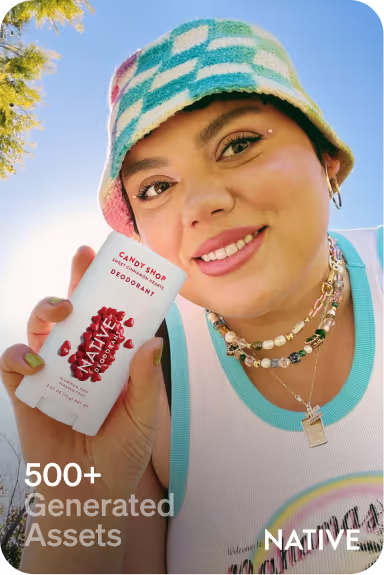
For example, we helped our client, Native, to create hundreds of high-quality user-generated content on a budget. We partnered with diverse micro-influencers who produced 750+ assets that amplified Native's new collections during four campaigns. We helped with creative and artistic direction to produce this kind of studio-level UGC.

Choose the Right Channel
Take time to choose the right platform based on your target audience and content format. According to the 2025 State of Influencer Marketing Benchmark Report that we cited above, Instagram (57.1%) and TikTok (51.6%) lead as preferred channels among marketers.
Each platform offers unique advantages, as we can see below:
Find the Right Influencers
This is the most important aspect of any campaign. It's also the most challenging step for about 55.86% of brands.
One of the mistakes some beauty brands make is choosing influencers solely based on follower size. There are other factors to take into consideration, such as:
- Purchase behavior
- Location
- Audience demographics
- Past collaborations
- Niche and expertise
- Content quality and style
Olivia McNoughten, director of product marketing at GRIN, highlights that:
“Consumers are savvy. They can spot transactional content from a mile away, such as product placements that miss the mark or dishonest endorsements.”
When a creator already aligns with your brand and its mission, it’s easier to create an authentic partnership.
Also, you can always ask influencers for their engagement metrics before committing. Many creators can provide this data through tools like TikTok Analytics, Instagram Insights, and other third-party platforms.
As for finding influencers, using an influencer marketing agency is an easy way to choose influencers in your niche.
However, you can also do your research. For instance, searching hashtags like #koreanskincare on Instagram or TikTok will surface thousands of relevant creators.

Pro tip: Practice social listening. That way, you can find creators who are already talking about your brand or specific product category.
Reach Out Appropriately
Once you’ve shortlisted the creators you want to work with, the next step is to contact them. Nano and micro-influencers typically manage their own collaborations, so a well-crafted email is usually enough to start the conversation.
Pro tip: You can use tools like an Instagram email finder to find and reach out to a creator.
Mid-tier and macro creators tend to work with managers or agencies, meaning your outreach should go through them. Their profiles usually list the appropriate email, but when in doubt, sending a polite inquiry will point you in the right direction.
If you discovered the influencer through a creator marketplace, keep the conversation on-platform and follow the marketplace’s communication workflow.
Create a Clear Collaboration Framework
Before launching any campaign, outline a structured agreement that defines exactly how the partnership will work. This eliminates confusion, sets expectations, and keeps both parties aligned.
- Campaign timeline: Specify the duration of the collaboration. Is it a single TikTok or Reel, or an ongoing partnership spanning weeks or months? Set clear start and end dates.
- Deliverables: Detail every asset the creator will create for your brand. Reels, TikTok videos, and Instagram Stories are some examples.
- Content distribution and usage: Clarify where the creator will publish the content, whether they must tag your brand, use certain hashtags, or follow messaging guidelines. If you plan to repurpose the content, outline those usage rights upfront.
- Compensation structure: State the exact amount your brand will pay. Also, clarify how payment will be handled: upfront, on delivery, or in milestones.
- Campaign objectives: Share the ultimate goal of the campaign. When creators understand what success looks like, they can tailor content that aligns with your objective. At the same time, don’t be overly specific. Allow influencers to do what they do best.
P.S. Need help reaching the right audience? inBeat Agency connects brands with vetted creators and builds tailored influencer strategies that resonate with your niche.
5 Types of Influencer Marketing Strategies for Beauty Brands that Deliver Results
Below are five proven campaigns that work for brands in the beauty industry:
1. Before-and-After Campaigns
Nothing hooks beauty consumers like good before-and-after content. This visual marketing technique provides tangible proof that the beauty product delivers on its promises.
Example: Curology mastered this approach with its #CurologyJourney campaign. The brand partnered with influencers who had acne-prone or sensitive skin to document their authentic skincare progress.
Influencers shared unfiltered “before” photos, periodic updates, and final “after” reveals for followers to witness a visible transformation over time. The result? Millions of views on TikTok and about a 25% increase in website traffic.
@curlybeviie Replying to @Tyla 🌹 Alright everyone, I’m back with my @curology two month update! #CurologyPartner ♬ Aesthetic - Megacreate
2. Educative Content with Skinfluencers
Skinfluencers, particularly dermatologists and estheticians, simplify all the jargon in the industry. Beauty consumers trust them to break down ingredients, debunk myths, and share real advice.
Example: CeraVe leverages this strategy by partnering with certified dermatologists like Dr. Shah (“DermDoctor” we told you about above) and Dr. Andrea Suarez. Their educational content across YouTube, Instagram, and TikTok consistently racks up millions of views and adds expert authority to the brands they influence.
@dermdoctor Duet this with your CeraVe Skincare Routine! #CeraVe #CeraVePartner #SkincareRoutine #DermDoctor #Skincare ♬ Bedtime Groove - CeraVe ft. Matatama
3. Beauty Tutorials and Demos
Product reviews, skincare routines, GRWM videos, and beauty tutorials make it easier to envision how a product works. A consumer might not be looking for a new foundation. But after watching an influencer create a flawless look, the next move can be to add it to their cart.
Example: Influencer Glamzilla showcased a quick makeup tutorial using three Fenty Beauty products. This demo lets viewers see the results and boosts their purchase intent.
@glamzilla THE POWER OF @Fenty Beauty 🤩 IS UNDENIABLE. BRIGHT FIX + WE’RE EVEN CONCEALER + SOFT LIT FOUNDATION IS THEEE COMBO. #FENTYBEAUTYPARTNER ♬ original sound - GLAMZILLA
4. Social Media Takeovers
Social media takeovers let influencers temporarily run your brand’s account to share content directly with the audience. For beauty brands, takeovers often include GRWMs, event promotions, product demos, or interactive Q&As.
Here, the goal could be to:
- Widen your audience and tap into the creator’s loyal followers.
- Partner with an influencer to create compelling content that will live in your brand’s feed.
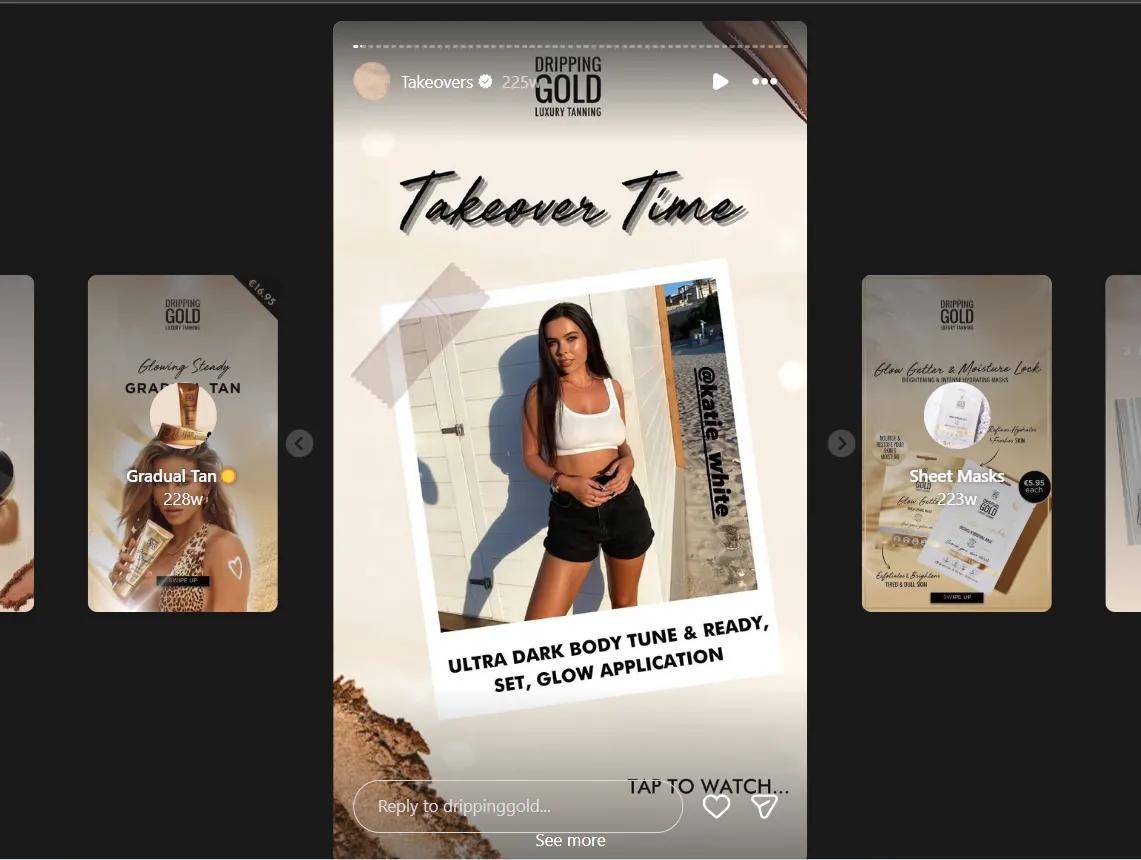
Example: Tanning and beauty brand Dripping Gold regularly hosts influencers to take over its Instagram Stories. They demonstrate how to use the brand’s products to achieve the perfect tan or makeup look. Because Stories are ephemeral, Dripping Gold preserves these takeovers by pinning them to a dedicated “Takeovers” highlight.
5. User Generated Content
User-generated content builds a community around your brand. About 93% of marketers who use UGC say it performs better than any branded content.
Beauty brands can leverage influencers to encourage the creation of user-generated content.
Collaborate with influencers to launch a creative challenge and encourage their followers to join using a branded hashtag. Add a giveaway, and watch the UGC roll in.
Example: e.l.f. Cosmetics nailed this with the viral #eyeslipsface challenge. By partnering with TikTok creators to kick off the trend, they inspired millions of users to film their own versions. The campaign generated over 7 billion views, making it one of TikTok’s most successful challenges.
How to Measure Influencer Campaign Success
Analytics help brands connect their marketing efforts to meaningful outcomes: product sales, website visits, or brand awareness. Here's how to evaluate the performance of your influencer marketing campaigns:
- Engagement rate: Likes, comments, shares, saves.
- Conversions: Click-throughs, add-to-cart actions, or completed purchases tied to the influencer's unique links, codes, and commission structures.
- Reach & impressions: How many people saw the content and how often.
- ROI of campaigns: Revenue generated vs. influencer fees and campaign costs.
- Audience growth & retention: New followers gained and repeat purchases.
Pro tip: You can use inBeat’s free toolkit to calculate your ROI metrics.
Examples of Successful Beauty Influencer Campaigns
Here are some beauty brands that leveraged influencer campaigns to drive exceptional results:
COSMEDIX
COSMEDIX recruited micro-influencers and skincare enthusiasts to test products and share honest reviews. They encouraged creators to create tutorials, before-and-after photos, and testimonial-style content. The brand also repurposed the content across its website and social channels to strengthen social proof.
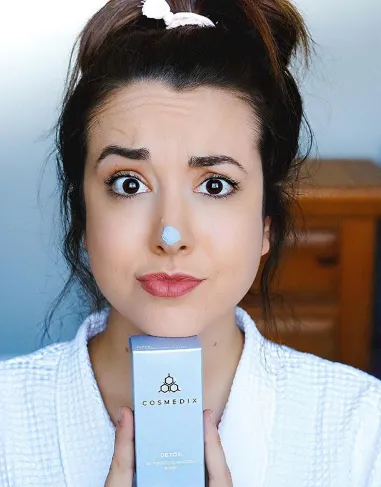
COSMEDIX generated 3.4 million impressions and an impressive 527% ROI. This shows the power of micro-influencers in the beauty industry.
Estée Lauder – #MyShadeMyStoryCampaign
Estée Lauder launched the #MyShadeMyStory campaign to highlight inclusion in the beauty industry, while promoting their Double Wear Stay-in-Place Foundation, which has 60 shades.
@itsparischanel #AD My shade is 5W1 Bronze and this is my story @esteelauder #MyShadeMyStory #EsteePartner ♬ original sound - Paris
The brand partnered with influencers like Manushi Chhillar and male makeup artist Shantanu Dhope to share personal stories around finding the perfect shade. Consumers were encouraged to join in by posting their own stories.
On TikTok alone, #MyShadeMyStory surpassed 100M+ views. It was evident that people wanted to join a conversation that made them feel seen.
Rare Beauty
Rare Beauty takes a radically different approach to influencer marketing. The brand invites small groups of influencers to intimate wellness retreats centered around mental health, rest, and open dialogue.
Influencers aren’t required to post content. Instead, they’re encouraged to genuinely experience the brand’s values.
As a result, Rare Beauty has grown influencer coverage by 110% year-over-year, with net sales crossing US$400 million.
Influencer Marketing Best Practices for Beauty Brands
Now, let’s take a look at some best practices that will maximize the impact of your campaign. We put together these tips after executing successful influencer marketing campaigns at inBeat.
- Get into short-form video content: Short-form content like TikTok videos and YouTube shorts is dominating beauty content. In fact, 73% of consumers use short-form videos when searching for new products. Plus, features such as TikTok Shop and affiliate programs allow brands and creators to drive direct sales through shoppable content.
- Allow creative freedom: Trust the connection the influencer has with their audience. Allow them to interpret your key messages in a way that resonates with their followers.
- Look beyond paid partnerships: Gifting, or product seeding, goes a long way for brands on a budget. The influencers who receive these products are under no obligation to share on their social media. However, to get the best result from seeding, share clear options on how the creator can share your content, should they like it. Provide branded hashtags or even unique affiliate codes.
Jen Yu, co-founder of skincare brand Jaxon Lane, on the impact of seeding:
“Seeding continues to be an important part of our strategy. We think of it as a long-term relationship development effort and have found that, over time, it definitely pays off.”
- Track paid collaborations: Equip your team with the analytics tools to track the performance in real time and refine strategies. Don't stop at vanity metrics like views and engagement. Also track affiliate link clicks, conversions, and repurposed content performance.
- Ensure FTC compliance: The Federal Trade Commission (FTC) requires influencers to clearly disclose any material connections to brands. Use clear disclosures such as #ad or Sponsored in a way that is easily visible to consumers. FTC compliance protects both the brand and the influencer while maintaining audience trust.
Scale Influencer Marketing for Your Beauty Brand with inBeat
Influencer marketing offers a lot of potential for brands in the beauty industry. The key to achieving success is to collaborate with a strategic mix of creators that align with your brand.
Ready to build an influencer strategy tailored to your needs?
inBeat Agency connects brands with high-performing creators who drive real revenue, not just engagement. We utilize platform-specific content strategies to create narratives that resonate with your target audience.
Book a free strategy call to get started.
FAQs
Is influencer marketing cost-effective for smaller brands?
Yes, influencer marketing is cost-effective, particularly when using nano and micro-influencers. These creators charge budget-friendly fees, while delivering 2- 3x higher engagement rates than mega-influencers.
What type of content works best for beauty influencer campaigns?
Tutorials, product reviews, and GRWM videos work best because they show how a product performs in real time. Beauty audiences respond well to content that feels authentic. Educative videos, before-and-after demos, and routine-based content build trust.
Should beauty brands focus on long-term collaboration?
Yes, ongoing collaborations create a more natural fit between the brand and the influencer. When audiences see a creator repeatedly using the same products, it feels like a real recommendation instead of a single sponsored post. This tactic builds deeper trust and stronger conversions in the long run.